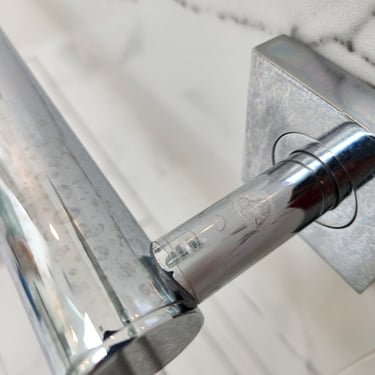
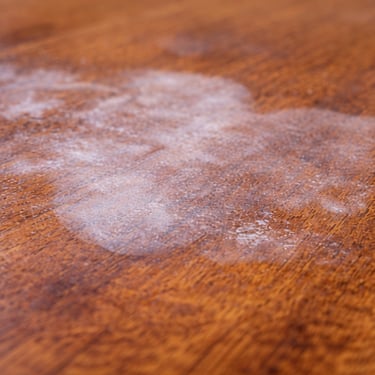
Surface Stability → Material Care Plans → Environmental Risk Reviews → Environmental Usage & Soil Conditions → Moisture & Water Behavior.

Environmental Hygiene Assessment for Facilities and Luxury Properties

A structured evaluation of environmental conditions, material systems, and maintenance practices—
designed to identify risks, inefficiencies, and opportunities for long-term stability.

This Assessment Is Designed For:

Homes with sensitive or high-value materials

Properties experiencing recurring maintenance issues

Facilities requiring consistency and accountability

Clients seeking long-term preservation—not short-term correction

Assessment Options [ X & Y ]

Every environment is different.

Some require a fully structured assessment, while others may begin with a more limited review to determine the appropriate level of care.

FULL ASSESSMENT- [ X ]

Environmental Stability Assessment

This is our standard starting point for most projects.

It includes a structured evaluation of:

materials and finishes

exposure patterns (moisture, traffic, use)

current maintenance methods

early-stage surface instability

compatibility between products and materials

What you receive:

clear identification of risks and vulnerabilities

tailored recommendations

direction for ongoing care or system implementation

LIMITED INITIAL REVIEW - [ Y ]

For some environments, we may begin with a more limited review.

This is a high-level, observational visit designed to determine whether a full assessment is necessary.

Investment:

Assessments are structured based on scope and complexity.
Most projects range between $250 – $1,200.

Includes:

visual walkthrough of key areas

general observations

early identification of potential concerns

initial directional guidance

Does not include:

detailed documentation

full material analysis

structured protocol development

written reporting

Note:

This option is offered selectively based on project type and availability.

WHY THIS STEP MATTERS

Why start here:

Most surface issues develop gradually—through:

inconsistent methods

unmanaged exposure

incompatible product use

Understanding the condition of your environment before taking action allows us to:

✔prevents premature surface deterioration

✔Identifies incompatible cleaning methods before damage occurs

✔aligns care with actual environmental conditions

reduces recurring issues caused by improper maintenance

✔supports long-term cost control and surface preservation

Whether beginning with a full assessment or a limited review,
the goal is the same:

to understand the environment before applying care.

Not all environments require the same level of intervention.


Our role is to determine the appropriate level of care—not to oversell unnecessary services.

Environmental condition is influenced not only by cleaning,
but by how surfaces are used, handled, and maintained between services

Get Your Environmental Stability Assessment

Tell us a few details so we can tailor an evaluation aligned with your space and material systems.

I agree to receive email communications from Veppa Services

By checking "Yes", you are agreeing that Veppa Services may contact you via email with updates and other information. If you wish to continue your customer relationship without receiving marketing communication, you may submit your information without checking "Yes".
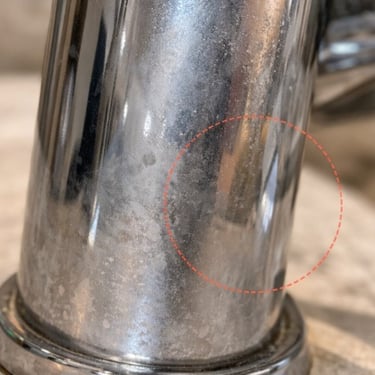
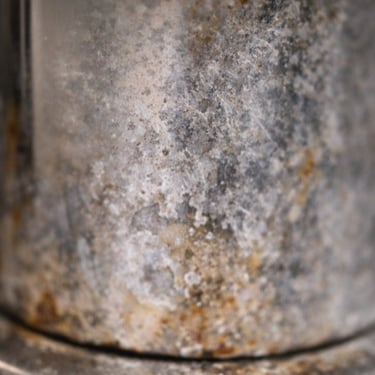
Depending on the type of environment, the assessment may focus on:

  • material condition and maintenance patterns, or on operational systems and workflow consistency.

Assessment is the starting point

Environmental conditions such as humidity, water chemistry, and ventilation influence how surfaces age and respond to cleaning protocols.

What to Expect After a Scheduled Visit

During the walkthrough assessment, we evaluate environmental conditions, materials, and current care practices in order to identify opportunities to improve hygiene stability and surface preservation.

Following the walkthrough assessment, Veppa may provide a summary outlining key observations and environmental care considerations identified during the visit.

Deliverables include:

• risk observations related to materials, finishes, and environmental conditions
• review of chemical compatibility with existing surfaces
• environmental care recommendations based on observed conditions
• maintenance and care strategy suggestions to support long-term surface stability

Where applicable, the review also include:

• evaluation of tools and cleaning methods currently in use
• recommendations regarding technician support for specialized care tasks
• incorporation of Veppa-trained technicians or guidance for supporting and training existing staff responsible for routine care

These observations are not limited to the items listed above and may include additional considerations identified during the walkthrough discussion and environmental assessment.

The objective of this review is to provide practical guidance that supports environmental hygiene, protects materials, and helps maintain stable interior conditions over time.

These recommendations are intended to support informed environmental care decisions rather than prescribe a single fixed approach, as conditions and materials vary between environments time.

In practice, this results in more consistent surfaces and fewer corrective interventions.

What Our Environmental Assessments Evaluate

Thoughtful environmental care requires understanding how materials interact with their surroundings over time.
Our assessments examine the conditions that influence long-term surface stability and material preservation.

1 — Environmental Mapping
Understanding the space, traffic patterns, materials, finishes and surface categories

2 — Exposure Analysis

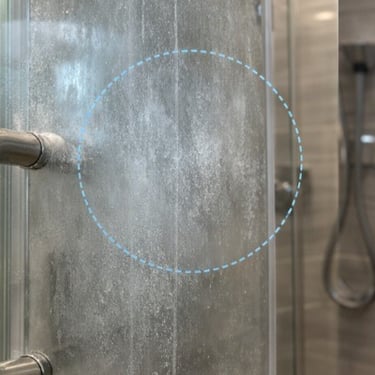
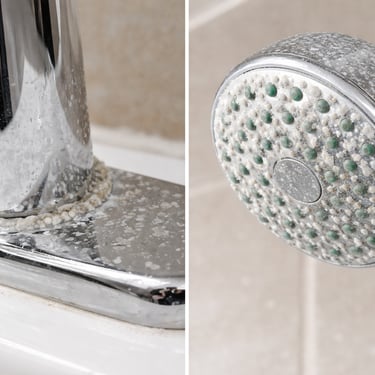
Moisture patterns, usage, and environmental stressors (humidity influence, microbial pressure, and high-contact zones).

3 — Compatibility Review
Cleaning methods, tools, and chemical interactions

4 — Condition Assessment
Surface integrity, residue patterns, and wear indicators

(designing cleaning and environmental care systems aligned with materials and usage patterns.)

5 — Areas of potential degradation, instability, or inefficiency though monitoring & verification
Tracking indicators that maintain environmental stability over time.

• material and finishes mapping
• moisture risk analysis
• microbial pressure zones
• compatibility review and chemical risk

repeated service stress
• environmental protocol design

Not lab diagnostic

observational + environmental indicators

This approach reflects principles found in environmental hygiene and public health frameworks, where moisture control, material condition, and method consistency influence long-term outcomes.

Assessment Structure

Each evaluation follows a structured review:

This assessment is observational and systems-based.
It does not replace laboratory testing, engineering inspection, or regulatory evaluation.

Environmental stability is not created in a single visit.
It is established through alignment between materials, methods, and conditions over time.

Our assessments are designed to identify that alignment—
before damage, imbalance, or inefficiency becomes visible.

Deliverables That You Receive

After the assessment your structured review:

Key environmental observations
Material and chemical compatibility insights
Identified risks and contributing factors
Cleaning protocol framework
Priority areas for intervention or monitoring

Recommended care pathways (Cura, Veppa, or Advisory)

SYSTEM + OPERATIONAL ASSESSMENT (Commercial / advanced)

Workflow

Staff roles

Chemical systems

Frequency logic

Documentation gaps

Training gaps

Output:

System redesign

Protocol structure

Oversight model

MATERIAL + CARE ASSESSMENT (Residential-focused)

Surfaces

Finishes

Wear patterns

Moisture exposure

Maintenance gaps

Output:

Care plan

Frequency

Protection strategy

How this integrates into service

A structured plan for implementation:

informs cleaning protocols

guides product selection

structures frequency

aligns staff training

What Happens Next

Based on your environment and goals, we guide you into the appropriate path:

Ongoing Care (Residential or Commercial)

Structured Care Systems (Veppa Method)

Advisory & Implementation Support

Understanding Precedes Action.


Every environment requires a different level of care—
and that begins with clarity.

Because surfaces are not damaged in a moment—
they are shaped over time by how they are maintained.

This is where structured care makes the difference.

Outcomes vary depending on environmental conditions, material composition, and usage patterns.

Reach out for thoughtful, expert cleaning care

Email

Phone

(561) 275-0100

Site Design by Veppa LLC. © 2026. All rights reserved.

Professional insights and care highlights @: LinkedIn | Instagram

Technical paper- Material Compatibility & Surface Stability in Repeated Service Environments

Veppa Technical Standards