
Environmental care is not a task. It is a system.
The Veppa Method
The Veppa Method is a structured environmental care system used to evaluate materials, manage environmental conditions, and maintain long-term surface stability in residential and commercial environments.
Not a regulatory program or clinical protocol—this is a systems governance model.
The Operational Cycle
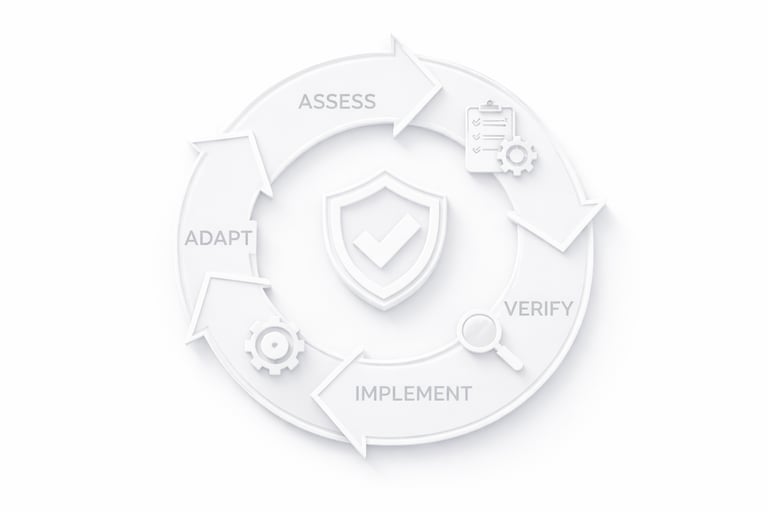
ASSESS → ARCHITECT → IMPLEMENT → VERIFY → ADAPT
A repeatable framework to evaluate, maintain, and recalibrate environments.
Extend the life of high-value surfaces
Maintain pristine finishes
Support safe, hygienic environments
Tailored strategies for every material
How the Veppa Method Works
The Veppa Method applies structured environmental hygiene and material-aware care to maintain stable, well-preserved interiors over time.
Each service visit follows a consistent process designed to evaluate conditions, protect materials, and maintain environmental balance.
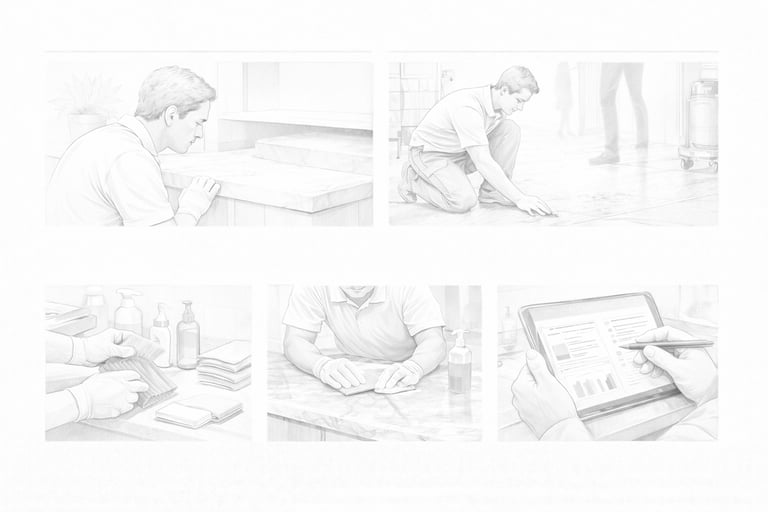


This is not reactive cleaning—it is structured care designed to preserve environments over time.
Benefit Summary
Longer surface life
Consistent hygiene standards
Fewer callbacks or reactive cleaning jobs
Evidence‑informed practices
From Practice to Framework
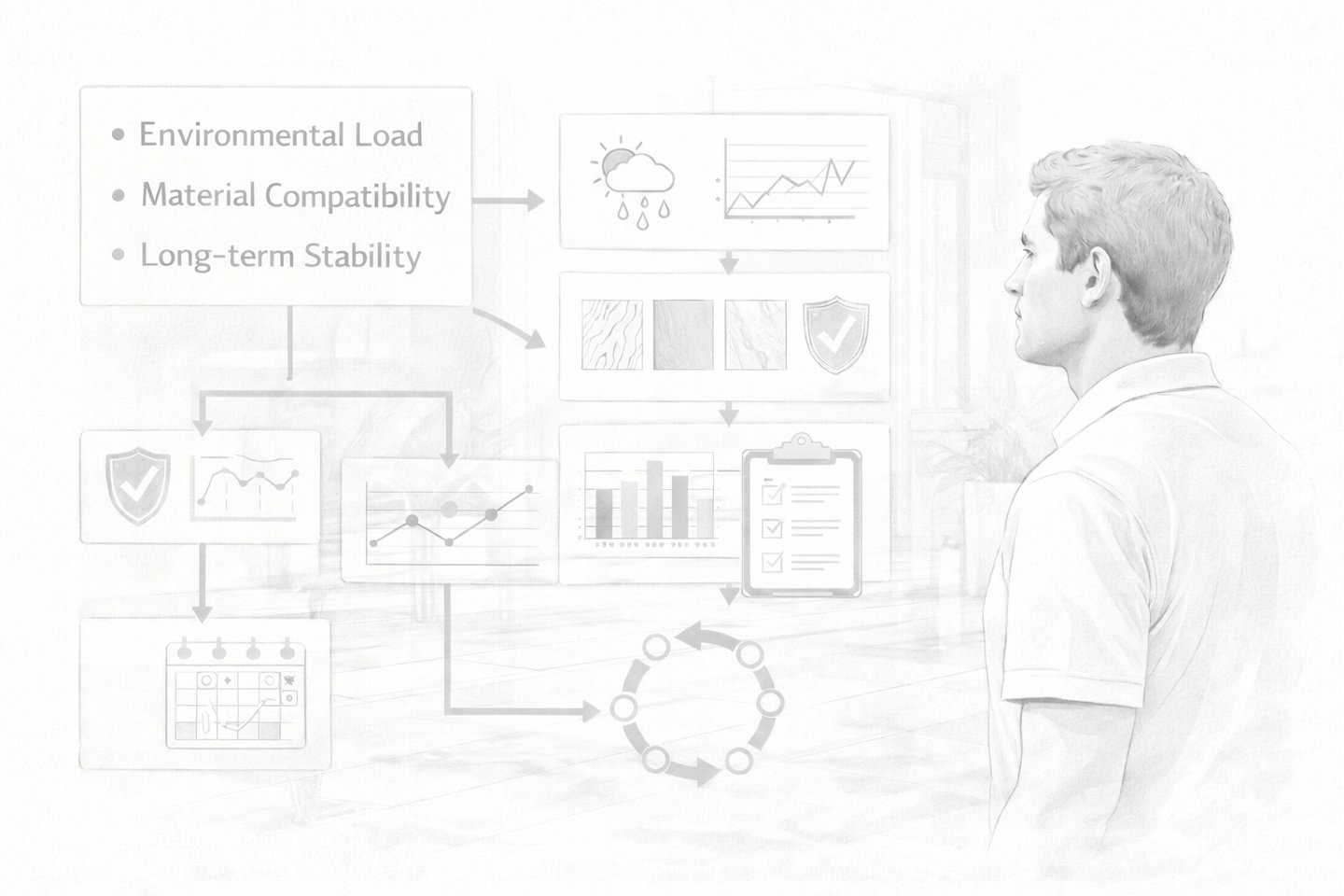
These observations form the foundation of the broader Veppa framework, which evaluates environmental load, material compatibility, and long-term stability across the spaces we maintain.
ASSESS - Know Your Environment
We begin by understanding your environment:
Material composition and finish systems
Traffic patterns and load distribution
Cleaning history and chemical practices
Moisture exposure and drying intervals
Environmental classification (residential, hospitality, commercial)
Assessment is structured and observational, with proportional verification where appropriate.
ARCHITECT - Design Smart Protocols
Next, we design custom protocols:
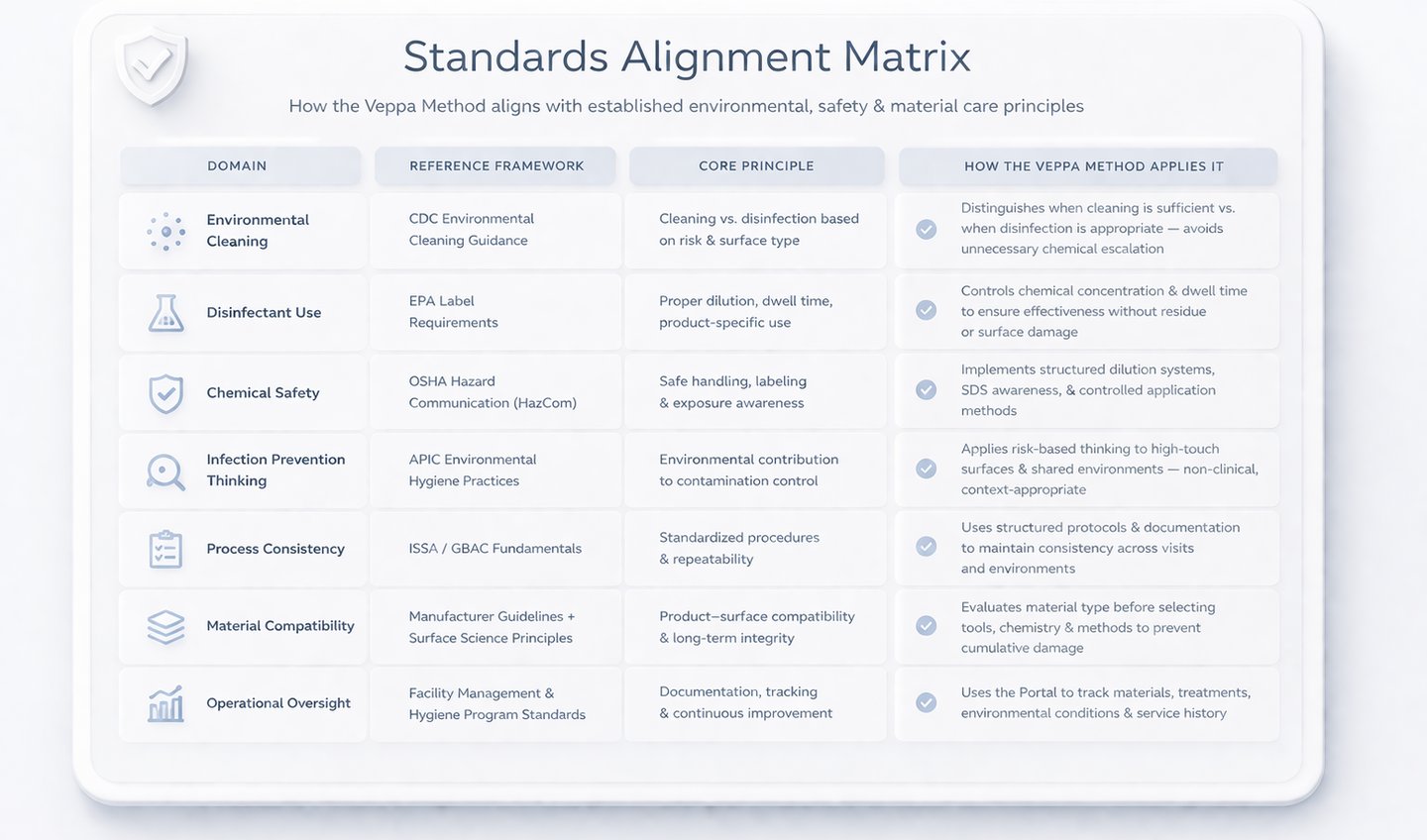
Aligning with material compatibility and manufacturer guidance
Sequencing based on exposure frequency and public health–informed logic
Stratifying risk to match environmental priorities
This ensures hygiene frequency and chemical selection protect both surfaces and occupants.
IMPLEMENT - Execute with Discipline
Execution follows a structured sequence:
Soil removal
Surface preparation
Calibrated chemical application
Proper dwell time
Mechanical action tailored to surface resilience
Rinse or neutralize as needed
Dry-time stabilization
Verification checkpoint
Cleaning, disinfection, and maintenance actions are differentiated and sequenced appropriately based on environmental classification.
This disciplined approach maintains surface integrity and hygiene consistency.
VERIFY - Confirm Outcomes
We confirm outcomes using proportional verification:
Dilution and pH confirmation
Moisture evaluation
Procedural compliance checks
ATP monitoring when appropriate
Surface condition observation
What does this achieve?
surface preservation
reduced chemical stress
environmental consistency
documented care continuity
Verification ensures operational consistency, without constituting medical testing.
ATP monitoring is used as an environmental cleanliness indicator, not a clinical diagnostic.
Verification may include ATP and comparable tools when appropriate — used for operational trend analysis and consistency checks. Supports consistency — not to diagnose infection or identify specific pathogens.
ADAPT
Environments evolve. We re-calibrate protocols based on:
Seasonal changes
Traffic and usage shifts
Material response patterns
Updated manufacturer guidance
Adjusted environmental risk considerations
Stability comes from ongoing adjustment.
Each stage builds on the previous one, forming a closed-loop system designed to maintain environmental stability rather than relying on episodic intervention.
Method in Practice
Real case example
Before condition (technical)
What you changed
What improved (measurable)
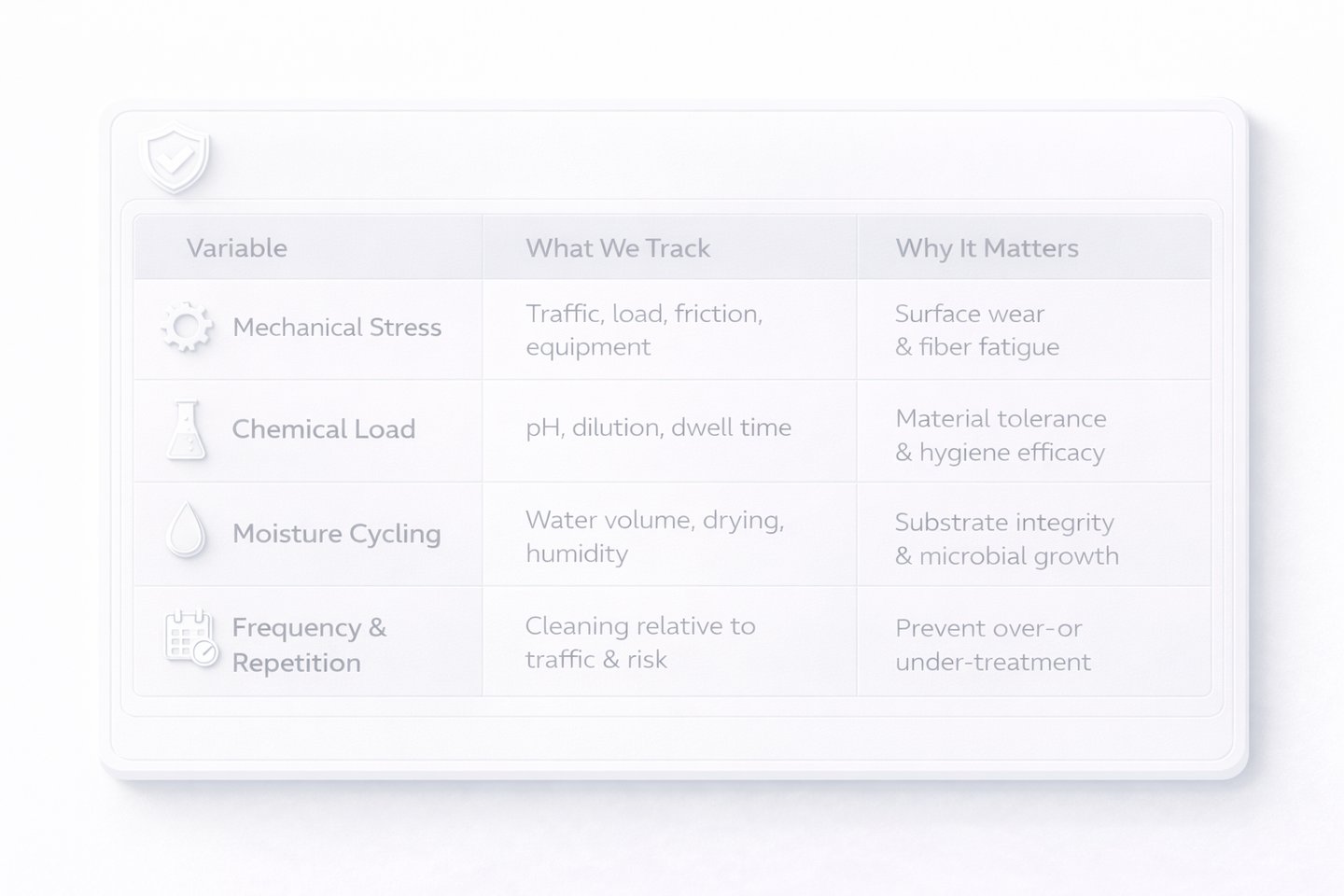
Surface deterioration rarely begins as visible damage
Mineral deposits, prolonged moisture contact, and incompatible cleaning chemistry gradually weaken protective finishes. When these conditions persist, surface stability can be compromised, resulting in etching, corrosion, or permanent material change.
These observations inform the preventive approach embedded in the Veppa Method.
problem → your solution.
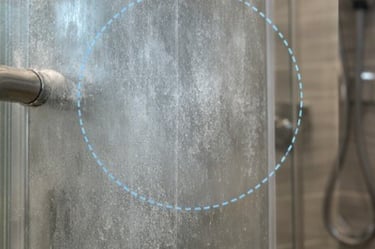
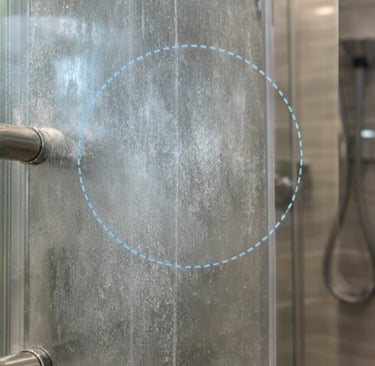
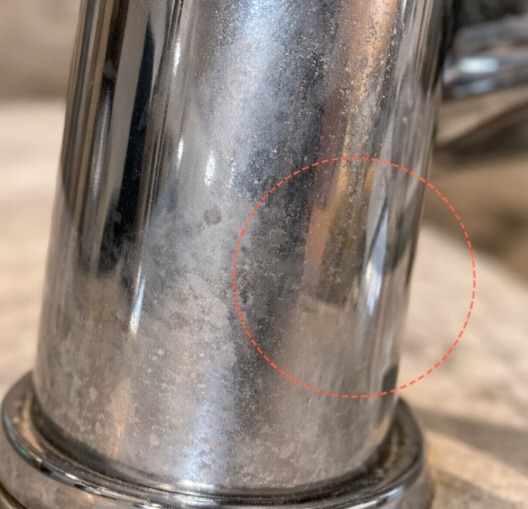
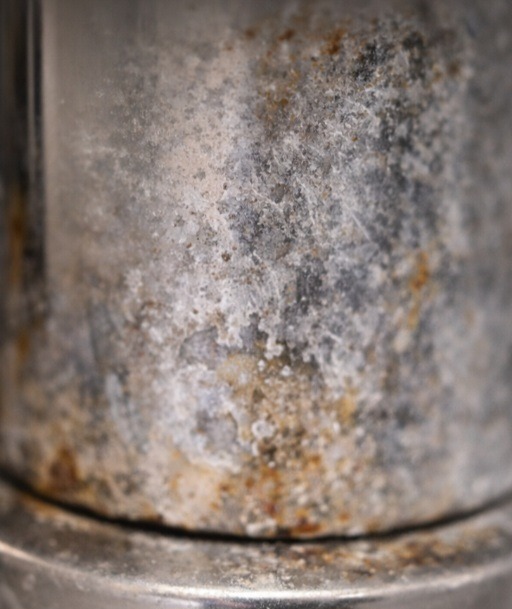
Improper chemistry, abrasive tools, or mineral accumulation can destabilize delicate surface finishes. Understanding how materials respond to moisture, deposits, and cleaning chemistry is essential for preserving surface integrity.
Surface deterioration mechanisms vary by material composition and environmental chemistry. The sequence illustrated represents common deterioration pathways observed in residential and commercial environments.
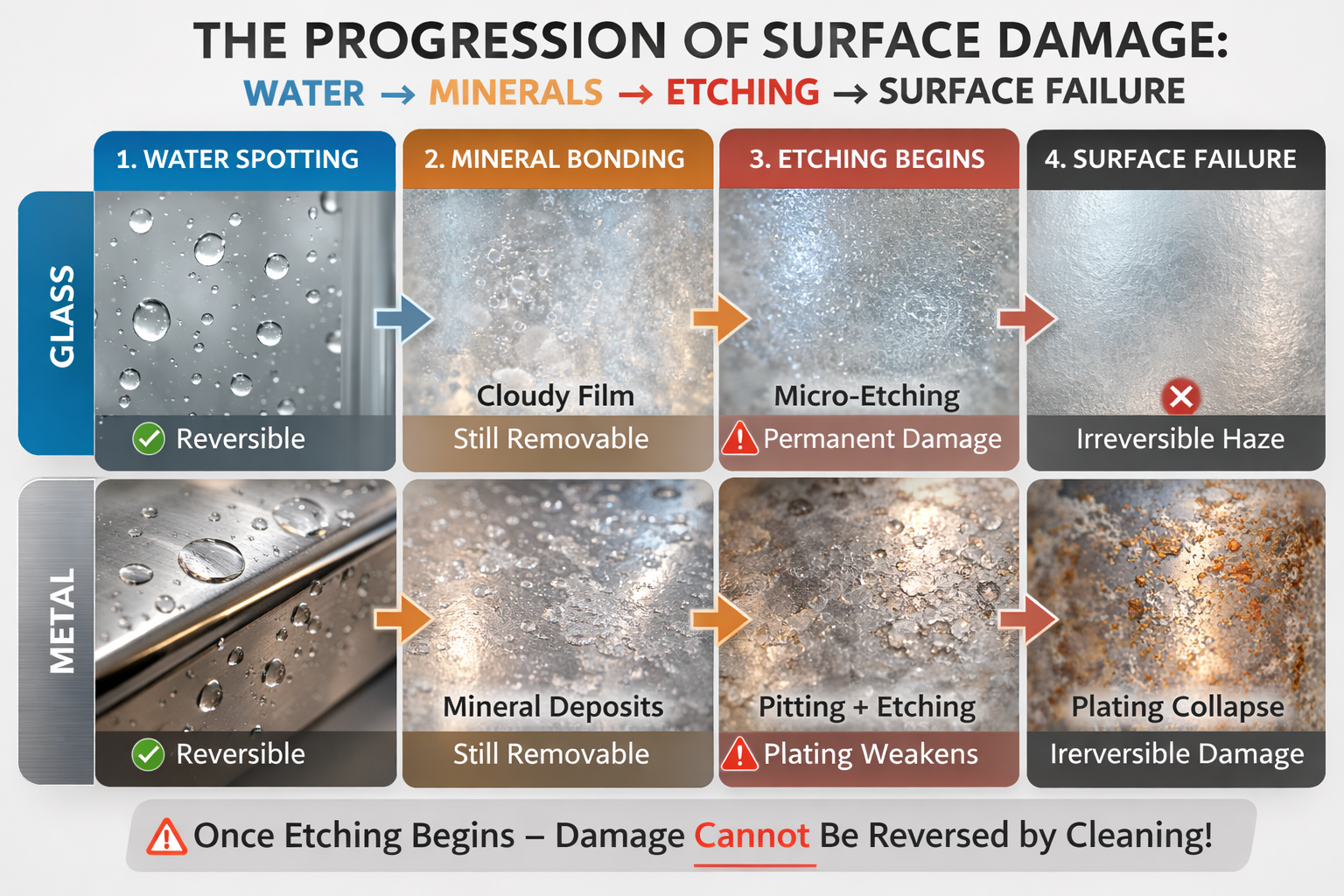
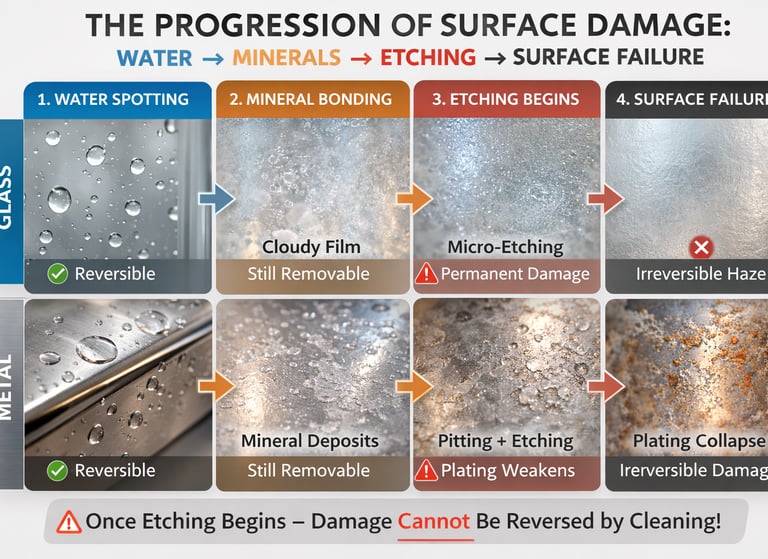
Moisture → Residues / Electrolytes → Chemical Reaction → Surface Degradation
Surface Response to Improper Maintenance
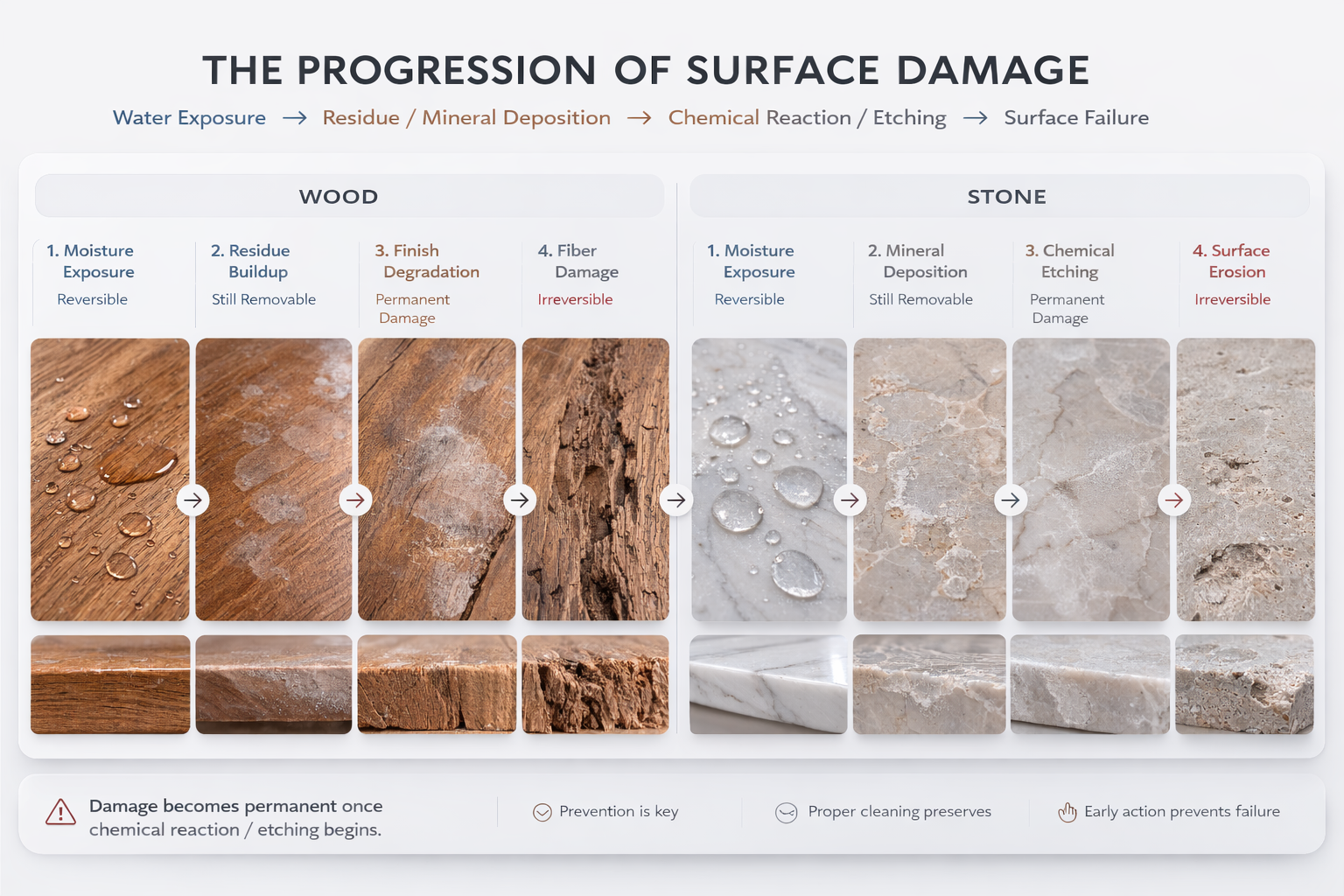
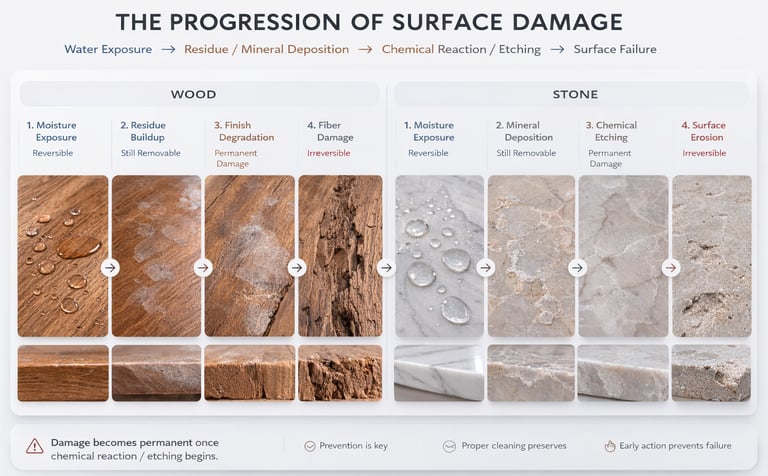
Outcomes vary depending on environmental conditions, material composition, and usage patterns.
Floor & Surface Governance
High-touch surfaces and floors are concentrated exposure zones. The Veppa Method adapts to the material and environment to maximize longevity, maintain appearance, and ensure hygiene consistency.
Examples of materials we manage:
Hardwood & Engineered Wood
Moisture control to prevent warping
pH-balanced solutions compatible with finishes
Traffic mapping to reduce localized wear
Stone & Tile
Calibrated chemical use to avoid etching
Mechanical action tailored to finish and grout
Moisture extraction to prevent staining or microbial growth
Resilient & Vinyl Flooring
Sequenced cleaning and protective coatings to reduce scuffing
Load distribution analysis for heavy traffic zones
Verification to maintain coating integrity
Textiles & Carpets
Fiber fatigue and pile distortion assessment
Moisture control to prevent shrinkage or microbial growth
Stain and soil removal sequencing based on fiber type
High-Touch Surfaces (Counters, Rails, Handles)
Chemical selection aligned with surface tolerance
Sequenced cleaning to remove soils without over-treatment
Verification to maintain consistent hygiene outcomes
By adjusting cleaning frequency, chemical load, and mechanical action to each surface, the Veppa Method protects materials while supporting operational efficiency and hygiene consistency.
Assessment includes finish type, coating condition, traffic mapping, equipment weight, and maintenance interval calibration.
Floor system governance includes substrate compatibility, finish type, traffic density, equipment load, and maintenance frequency calibration.
Protocols are informed by industry frameworks such as CDC environmental cleaning guidance and ISSA best practices while respecting OSHA safety standards.
Chemical handling and dilution practices are evaluated for procedural consistency and worker safety considerations.
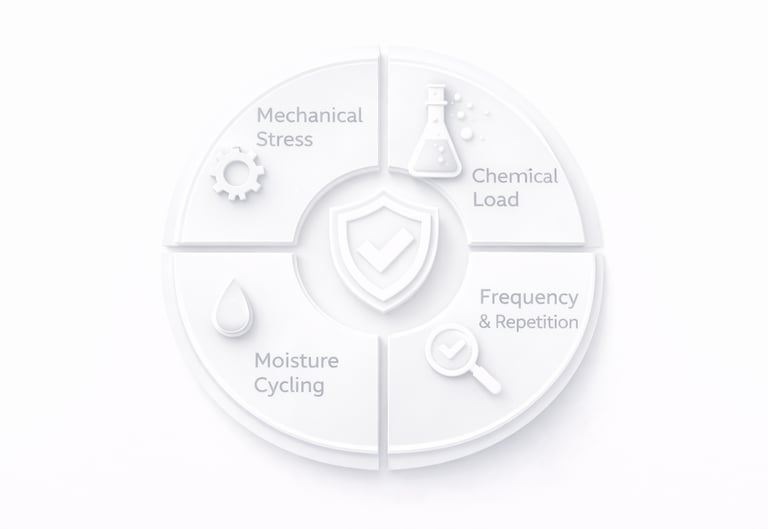
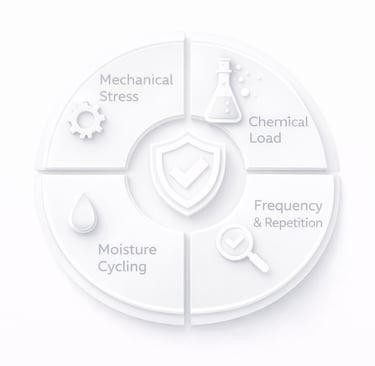
Assessment Discipline
Our conclusions come from structured, data-informed observation:
Exposure pattern mapping
Scope-of-work audit
Product chemistry review
Dilution verification
Targeted validation tools when needed
We rely on analysis, not assumption.
The Veppa Promise
The Veppa Method does not promise medical outcomes.
It governs environmental systems to:
Sustain material integrity
Maintain hygiene consistency
Ensure operational stability
Protecting your environment, surfaces, and investment—over time.
Our methodology reflects principles from recognized sources —including industry‑recognized infection prevention frameworks — adapted for non‑clinical settings.
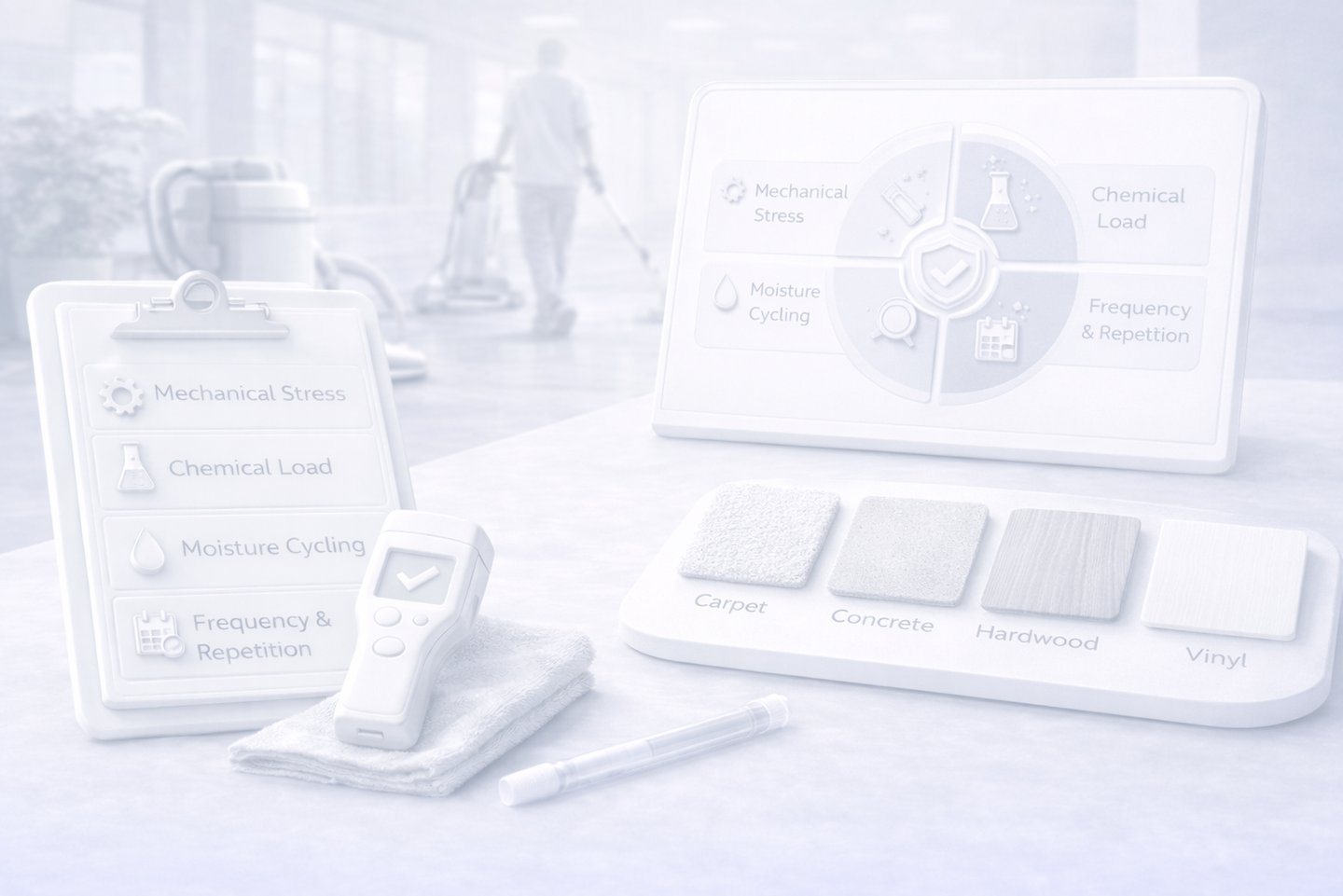
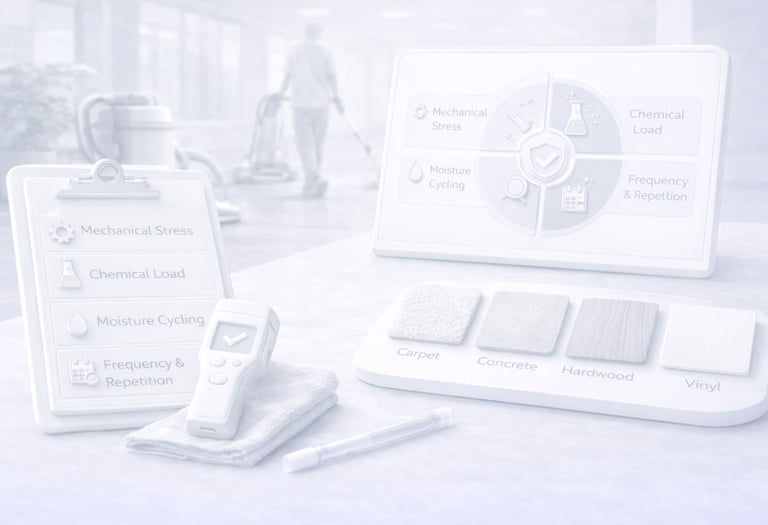
What This Means for Your Environment
Surfaces remain consistent over time
Less need for restoration or correction
Reduced long-term damage
Controlled, predictable maintenance
Scope & Limitations Section
Professionals across disciplines appreciate clear boundaries — and you already practice appropriate scope elsewhere.
Add a succinct section on what the method does not do:
Does not diagnose disease
Does not identify specific pathogens
Does not replace regulatory audits


1. Scientific assessment
Every engagement begins with structured observation of materials, environmental conditions, and usage patterns.
Assessment establishes a baseline so decisions are based on reality rather than assumptions.
3. Controlled application
Interventions are applied deliberately and selectively.
The goal is effective action with minimal long-term impact on materials and finishes.
This restraint reduces variability and prevents cumulative damage over time.
4. Ongoing verification & monitoring
Conditions evolve. Outcomes are observed, documented, and refined across visits.
This allows care to remain consistent without unnecessary escalation.
What this enables
This system enables:
Reduced variability across environments and visits
Material-appropriate interventions
Lower cross-contamination risk where applicable
Greater consistency over time
Verifiable performance when monitoring is appropriate
What the Veppa method is — and is not
The Veppa Method is not cosmetic cleaning, checklist-driven labor, or intensity applied without context.
It is a structured system for managing environments with intention and discipline.
Where the method is applied
The Veppa Method informs all Veppa services, but its expression differs by environment.
In commercial settings, it supports risk-aware environmental control.
In residential settings, it supports material stewardship and long-term preservation.
2. Tailored protocol design
Protocols are designed for the environment — notselected from a checklist.
Chemical compatibility, surface response, and operational constraints are considered before defining the approach.
A structured next step
Every engagement begins with understanding.
Structured. Evidence-informed. Environment-specific.
Begin with an environmental assessment
A structured first step to understand your environment, materials, and conditions before defining the appropriate approach.


Environmental hygiene is most effective when observations and care actions are periodically reviewed.
Veppa incorporates verification practices that help confirm that environments remain stable, hygienic, and compatible with the materials present in each space.
Depending on the environment, these verification practices may include:
• routine inspection cycles to review surface condition and environmental factors
• documentation of observations through the VEPPa care portal
• environmental monitoring of moisture patterns, traffic zones, and material response
• periodic hygiene verification to confirm that care protocols remain effective
These practices help ensure that care decisions are informed by actual environmental conditions rather than assumptions.
In simple terms:
The Veppa Method is a structured way of caring for surfaces based on material behavior, environmental conditions, and long-term impact.
Veppa Services operates within non-clinical environmental care and does not provide medical or infection control services. All applications are guided by environmental hygiene principles appropriate to the setting.
Reach out for thoughtful, expert cleaning care
Technical paper- Material Compatibility & Surface Stability in Repeated Service Environments