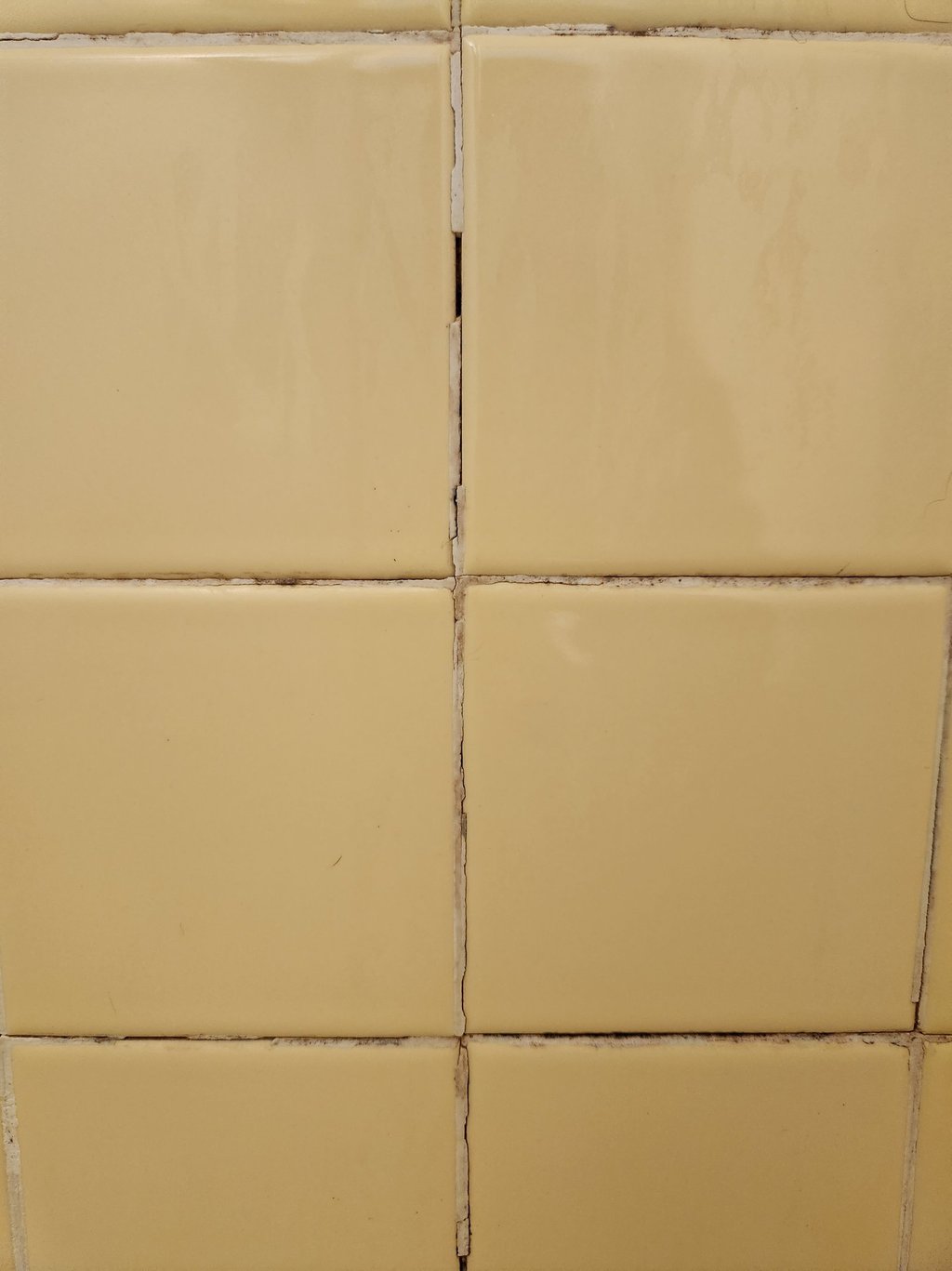
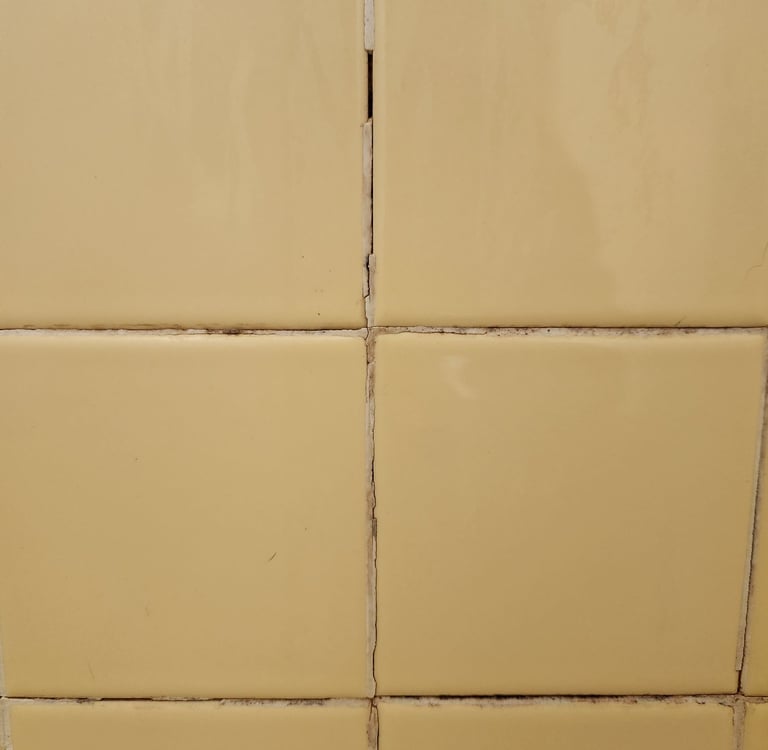
Shower Surface Recovery — Multi-Layer Residue Buildup

Surface Condition Assessment

This case study documents the correction of a shower surface affected by long-term residue buildup, moisture retention, and embedded accumulation within tile and grout.
The objective was not cosmetic improvement, but to restore the surface to a stable, maintainable condition.
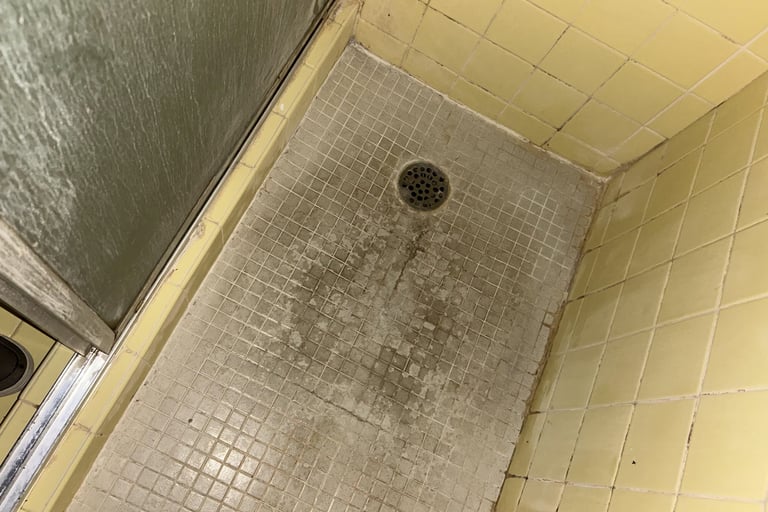
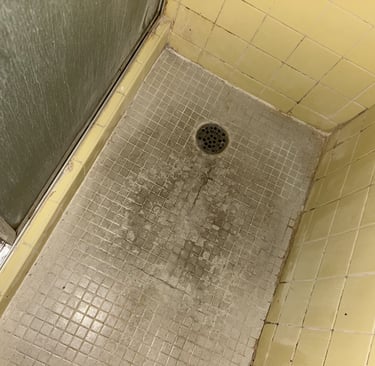
This case study documents the correction of a shower surface affected by long-term residue buildup and moisture retention. The goal was to restore the surface to a stable, maintainable condition through structured cleaning methods.

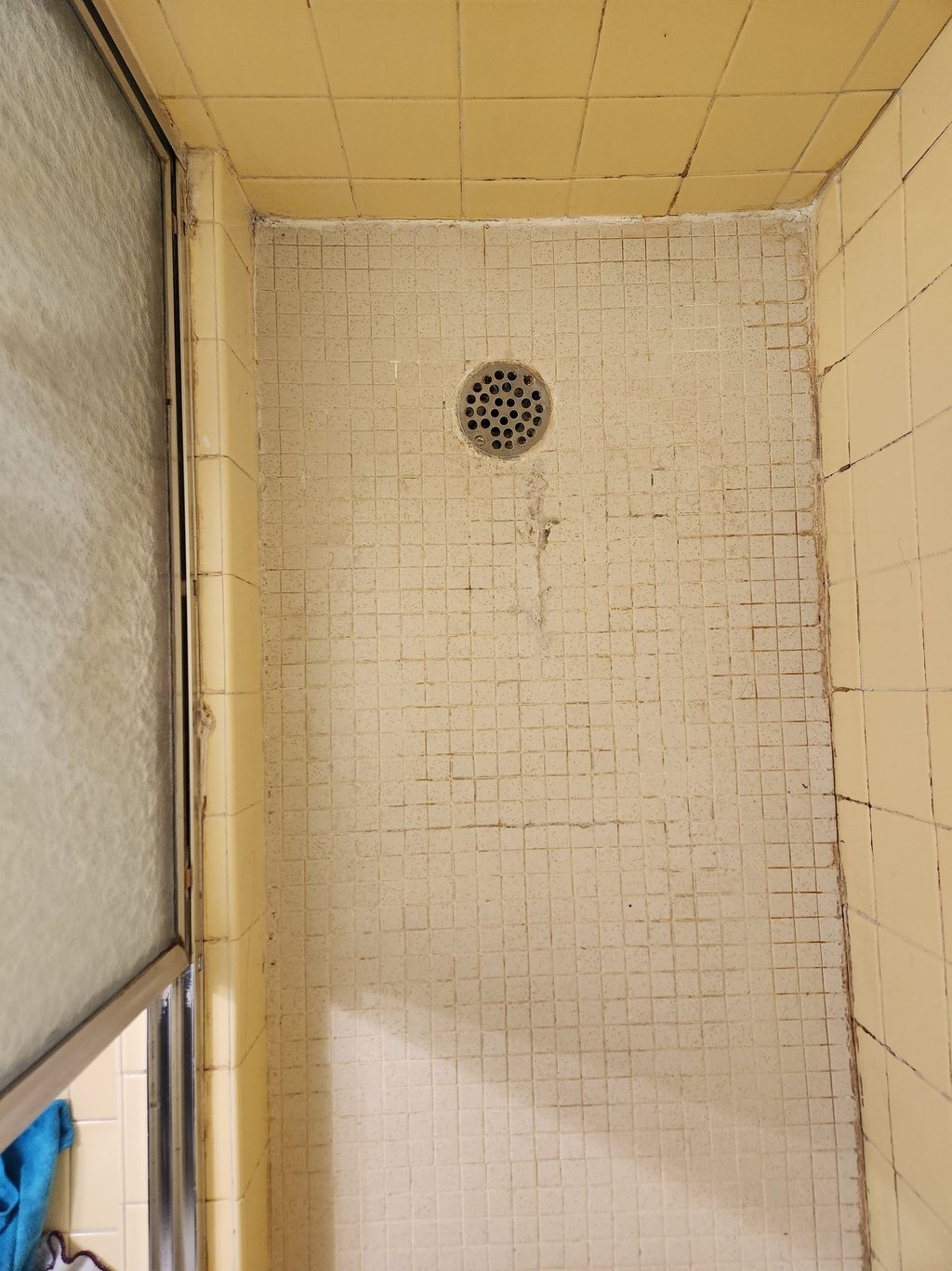
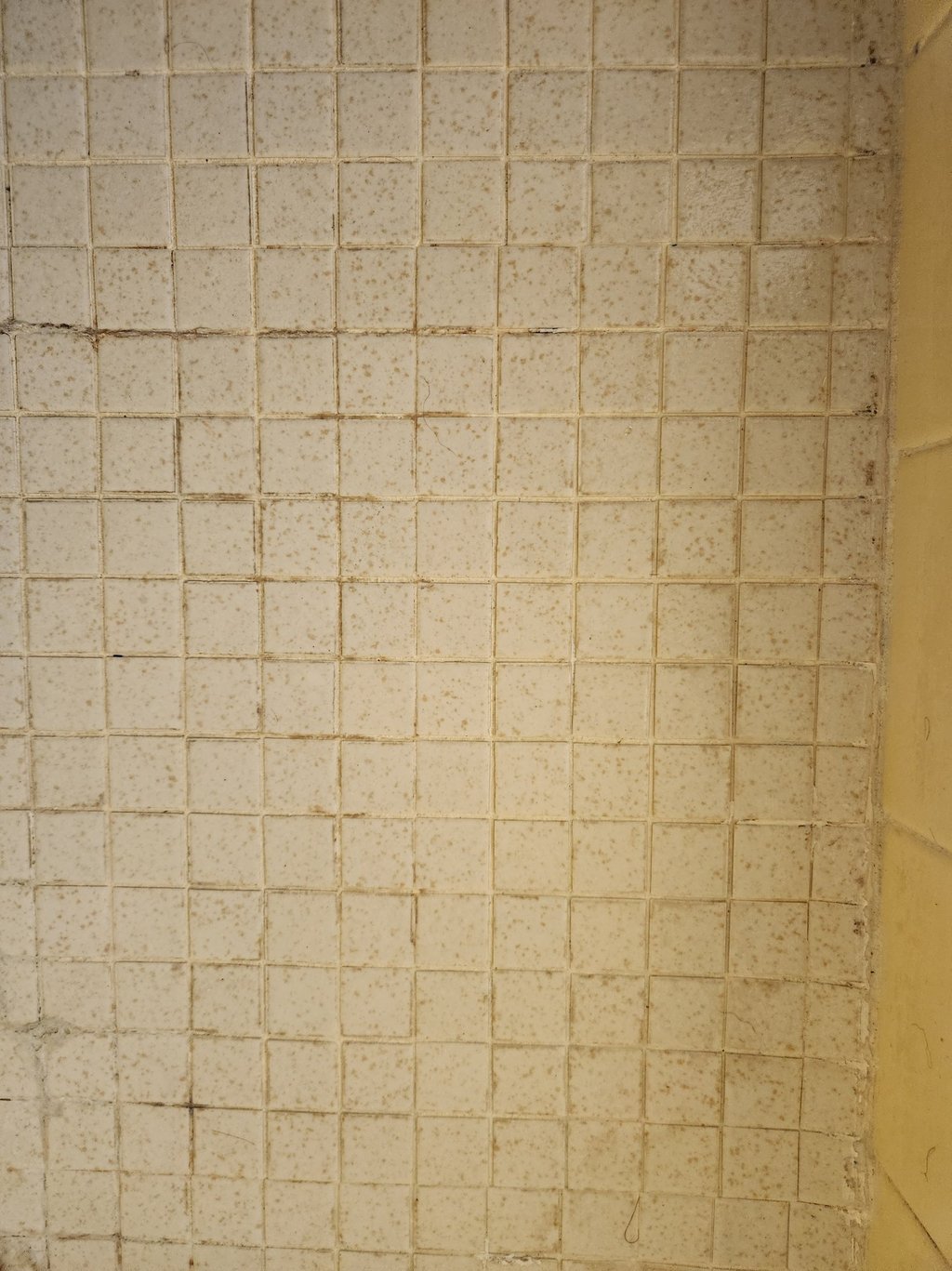
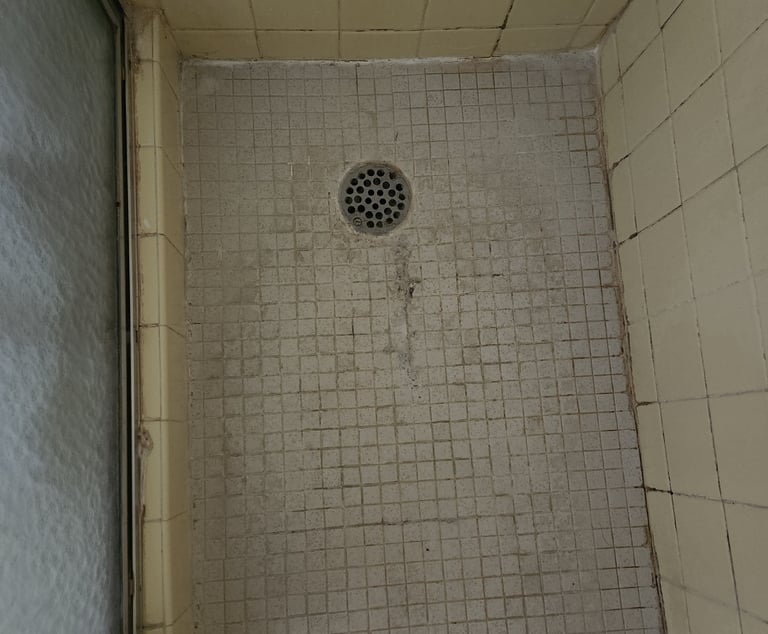
Initial Condition
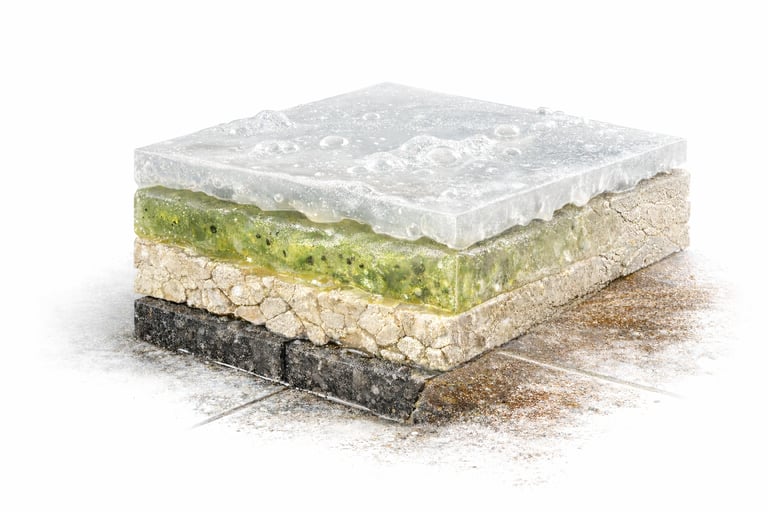
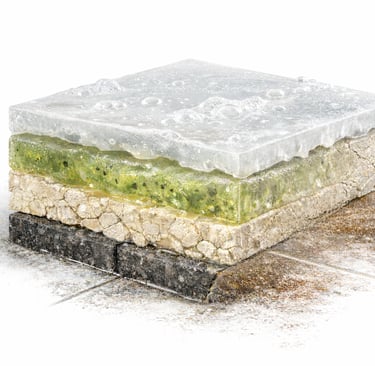
What was actually happening

Mineral layer (hard water)

Soap / surfactant residue

Organic film

Moisture retention zones (grout / joints)

Top layer → soap + surfactant film

Mid layer → organic accumulation / biofilm

Lower layer → mineral bonding

Base → moisture-retaining grout

This is not just soap scum.
This is layered mineral, product residue, and environmental buildup over time.

This is a layered system failure—not a surface-level issue.

Recovery Process (Structured Approach)

  1. Surface assessment

  2. Residue identification

  3. Layer separation strategy

  4. Controlled chemical application

  5. Mechanical agitation (targeted)

  6. Neutralization

  7. Drying + stabilization

How this was addressed

  1. Assessment of surface + residue type

  2. Identification of dominant layer

  3. Targeted chemical selection (not generic) matched to residue type

  4. Controlled dwell time

  5. Mechanical agitation (selective, not aggressive)Targeted

  6. Rinse and neutralization Sequential removal

  7. Drying and stabilization

Observed Mechanism

Repeated exposure to moisture, combined with surfactants and environmental residue, led to progressive accumulation within both tile and grout.

Over time, these layers increased in adhesion strength, reducing the effectiveness of standard cleaning and contributing to visible dullness, discoloration, and uneven surface texture.
Intervention Approach

The correction process was structured in phases to align method with surface response:

Phase 1 — Chemical and Manual Breakdown

Targeted chemical application was used to initiate the breakdown of bonded residue.

Manual agitation with controlled tools allowed for initial disruption of surface accumulation, focusing on areas with higher concentration and visible buildup.

Phase 2 — Mechanical Refinement

Mechanical scrubber with controlled pad selection aligned to surface condition system was introduced to achieve deeper and more consistent removal across the surface.

This phase improved uniformity, enhanced coverage, and reduced irregularities left by manual-only intervention.

Mechanical Refinement

Manual Correction

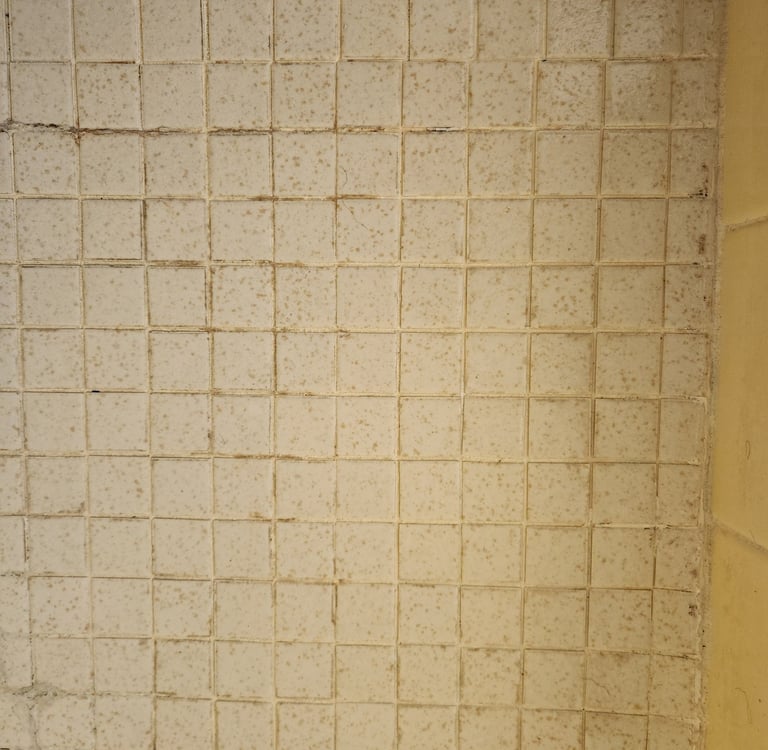
Partial removal — underlying etching still visible

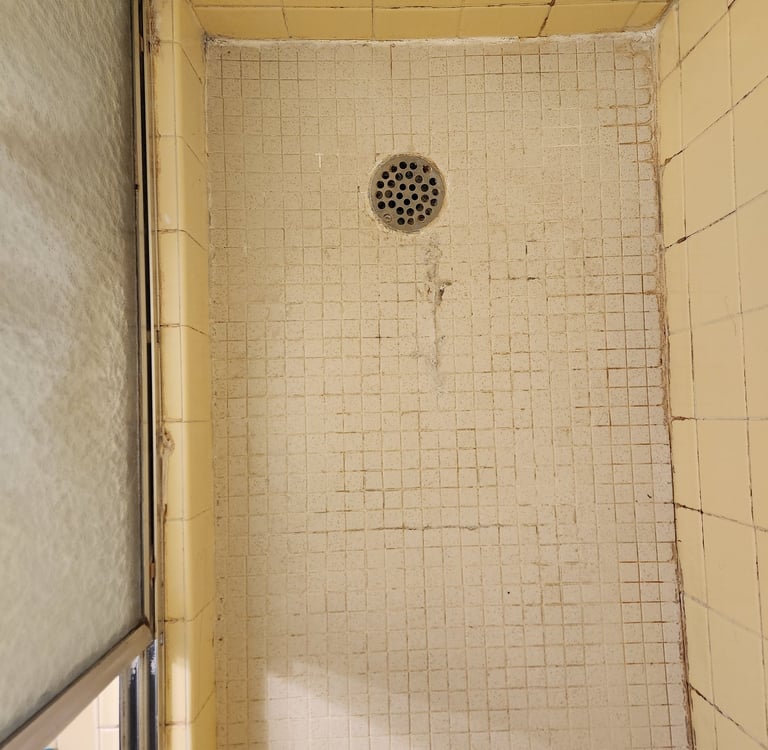
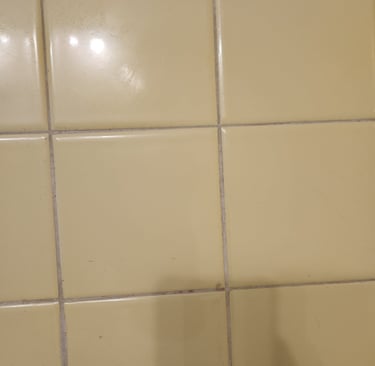
Final surface state after controlled recovery

Professional Notes

  • Some areas cleared faster, indicating lighter surfactant accumulation.

  • Persistent zones required multiple passes, suggesting mineral bonding.

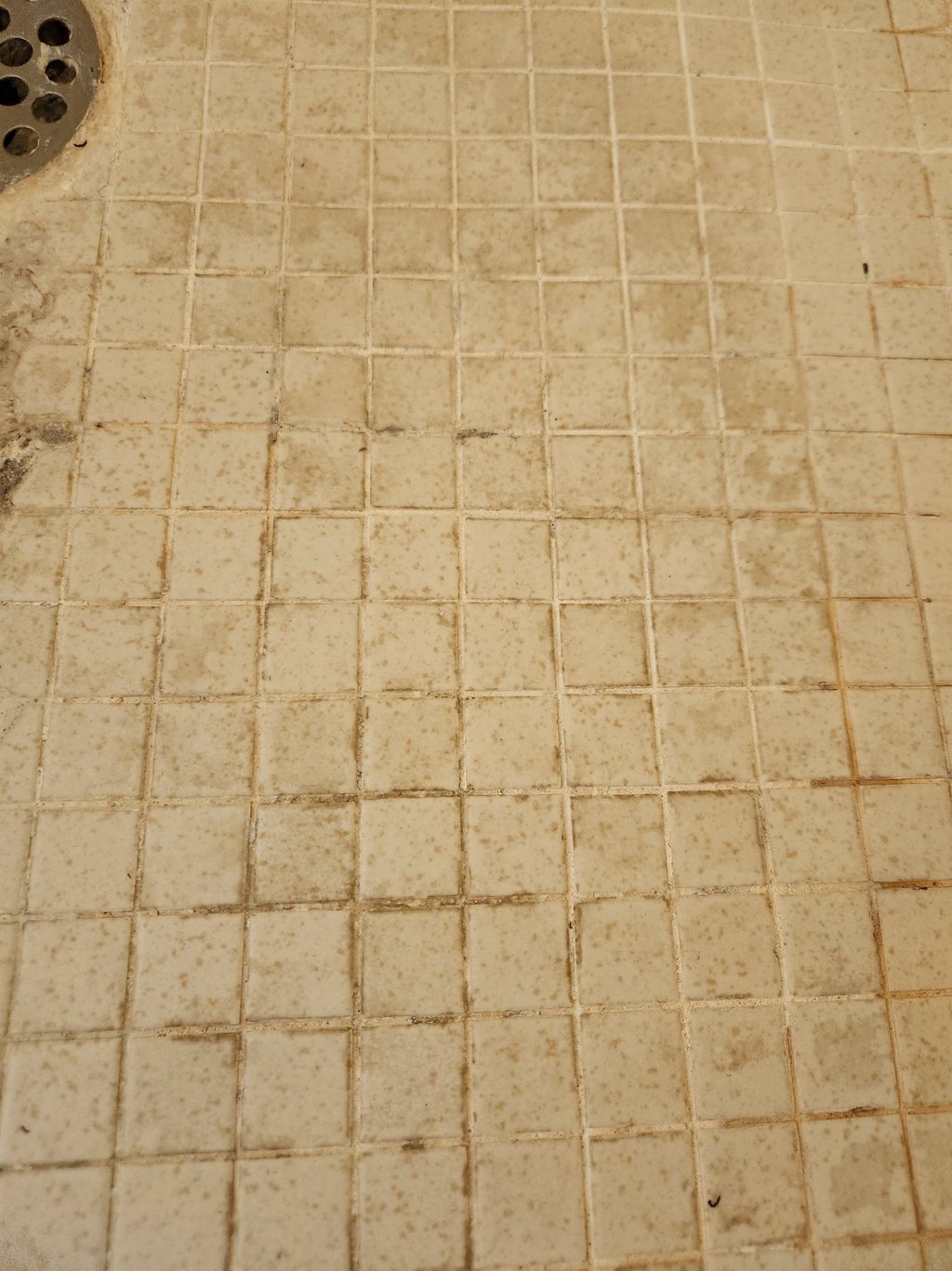
  • Grout lines retained moisture, acting as reservoirs for buildup.

  • We prioritize controlled, low-residue disinfection strategies aligned with label guidance and environmental considerations.
    This approach supports surface hygiene without unnecessary chemical load.

  • These conditions follow predictable patterns when not properly managed.

    This is why structured environmental care is critical—not just cleaning, but controlled maintenance over time.

Most surfaces don’t reach this condition overnight.
They arrive here slowly—while still appearing “clean.”

Biological Activity and Hidden Surface Conditions

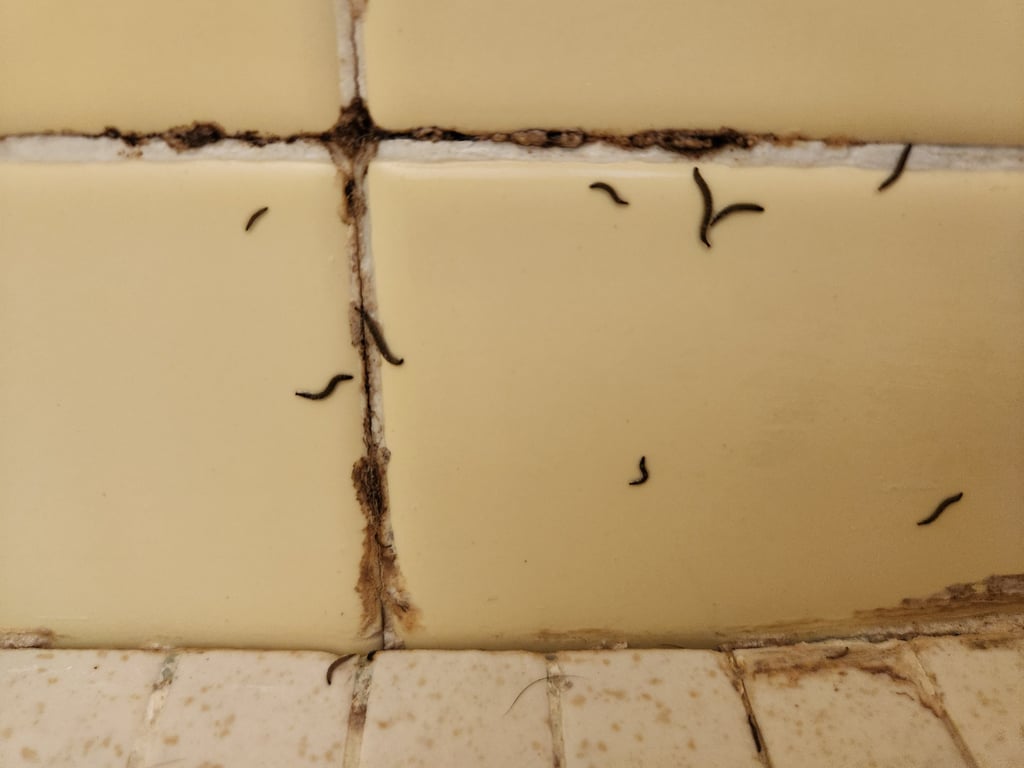
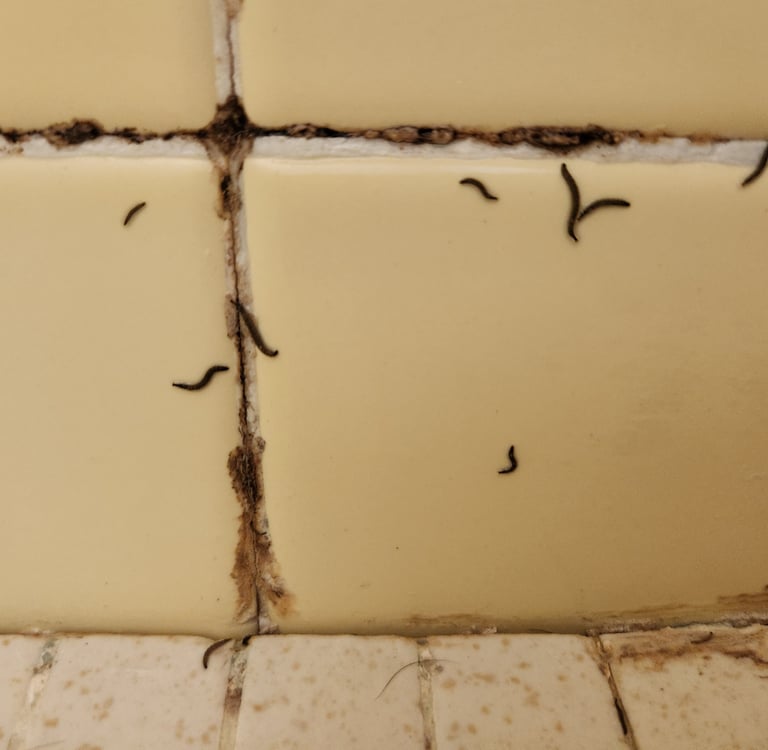
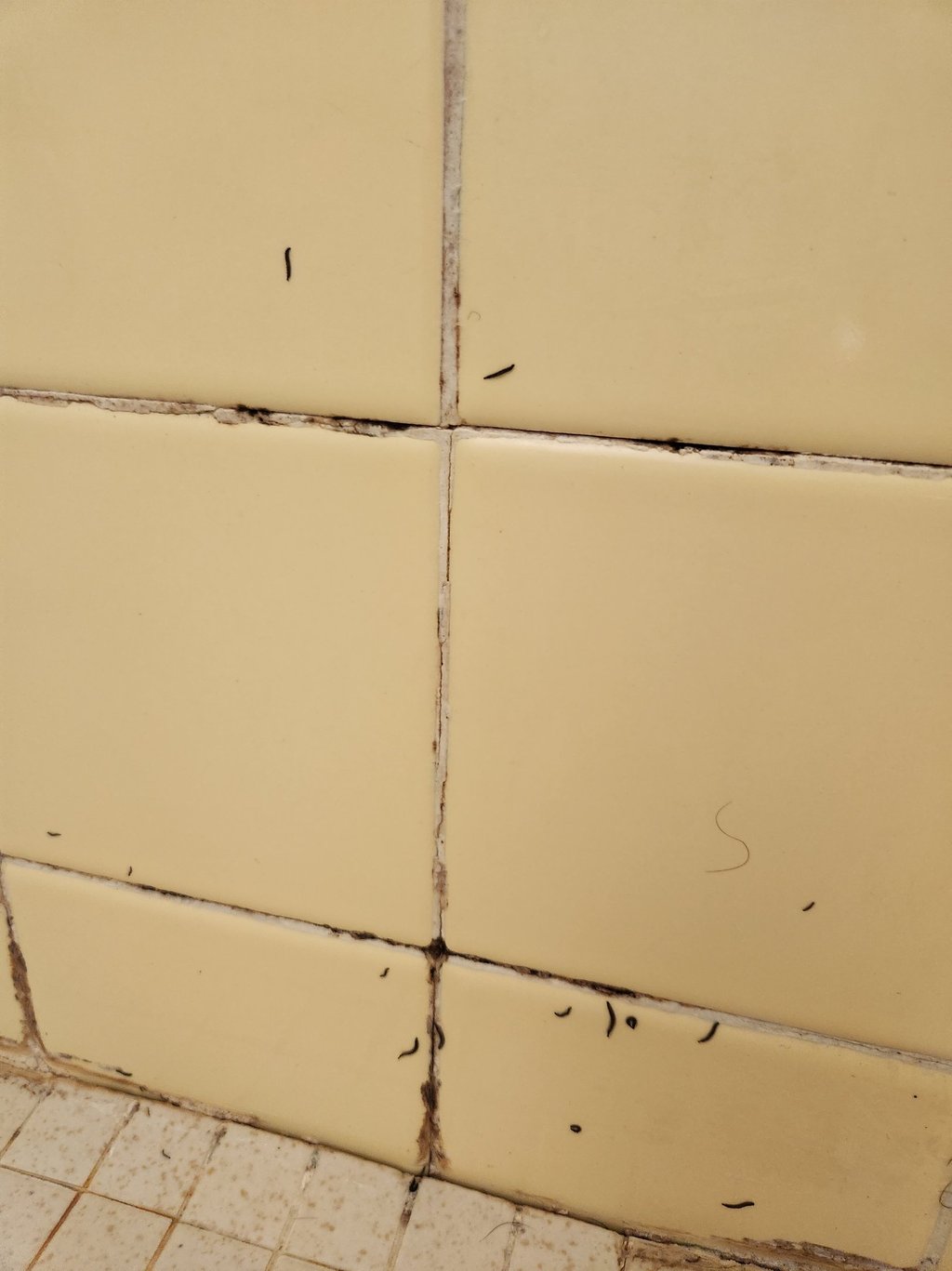
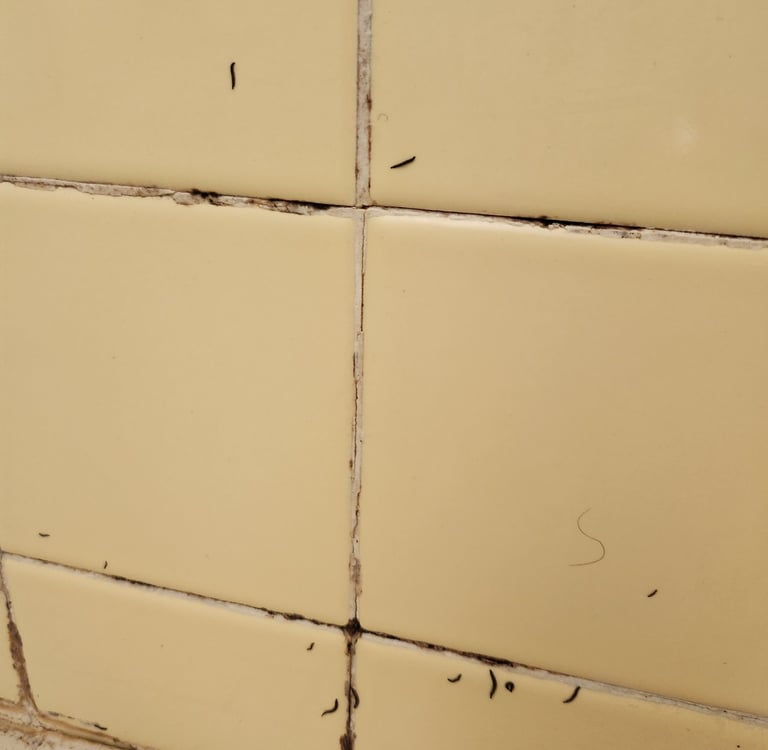
During the cleaning process, disruption of accumulated residue and moisture-retained buildup revealed active biological presence within grout lines and surface joints.

This response is not uncommon in environments where long-term moisture, organic residue, and limited maintenance create conditions for biological activity to develop within porous materials.

Rather than being visible at the surface, these conditions often remain embedded within grout lines, edges, and joints—only becoming apparent once the accumulation is disturbed through corrective cleaning.

What This Indicates

The presence of biological activity suggests that the surface condition had progressed beyond mineral and soap residue accumulation into a moisture-retained, organic environment capable of supporting microbial or larval development.

This reinforces that the issue was not limited to surface-level soil, but involved deeper environmental factors affecting the material.

Most surface issues are not immediate—they develop over time.

Why this condition doesn’t respond to normal cleaning

layers protect each other

mineral locks organic film

moisture keeps system active

agitation alone doesn’t break bonds
Outcome

Significant reduction of bonded residue

Improved surface clarity and reflectivity

More uniform appearance across tile and grout

Enhanced responsiveness to ongoing maintenance

Process Limitation and Consideration

Not all surface conditions can be fully reversed through cleaning alone.

Long-term accumulation may alter material structure or lead to permanent staining.
This process improves condition and stability, but does not replace restoration or material renewal when required.

Preventive Approach

This condition was not created in a single moment.
It developed through repeated exposure, improper product use, and lack of structured maintenance.

Consistent, material-aware maintenance reduces the likelihood of accumulation reaching corrective levels and preserves both appearance and surface integrity.

Recovery is possible — but prevention is where real surface care begins.

Post-Clean Condition

Material Response (Close-Up Observation)

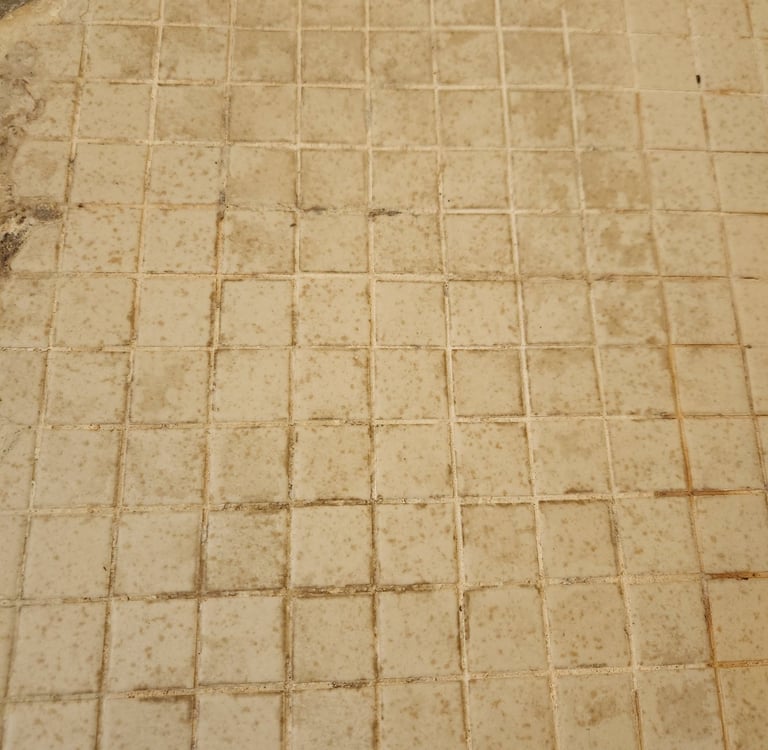
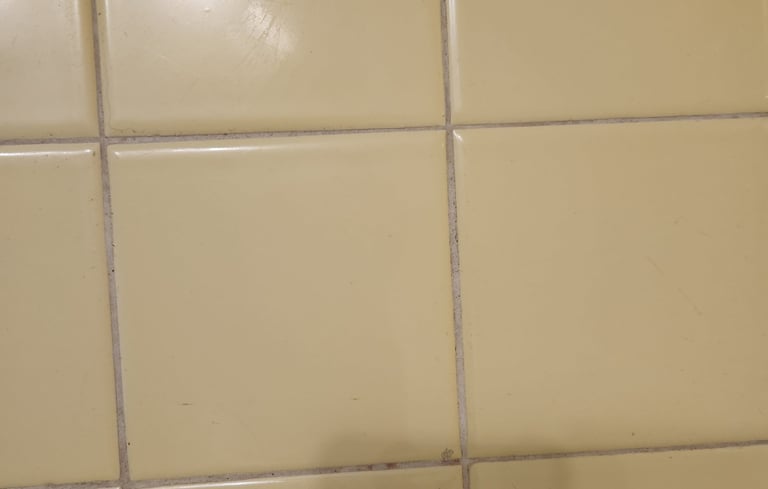
Close-up evaluation reveals remaining embedded staining within grout lines and tile surface.

This reflects long-term exposure and material absorption rather than surface-level residue.

At this stage, the surface has been corrected, but not fully restored, as certain changes in material condition may be irreversible without restoration-level intervention.

Because surfaces are not just cleaned—they are preserved over time.

When properly addressed, corrective cleaning may reveal these underlying conditions as the surface is opened and stabilized.

Understanding this distinction is essential:


cleaning addresses what is visible, but surface care must account for what develops beneath.

If you’re seeing similar conditions, this is often the result of long-term maintenance patterns.

We can help assess and guide the right approach.This is where structured environmental care becomes essential.

Without controlled methods, these conditions continue to develop —often invisibly—

until correction becomes costly or irreversible.

Request surface assessment evaluating your surfaces conditions