We approach properties as systems of materials, finishes, fabrics, and exposure patterns — not just surfaces to clean.

Most soft surfaces do not fail suddenly
They degrade gradually—through repeated moisture exposure, residue accumulation, and mechanical stress at the fiber level.
What is commonly understood as “cleaning” often addresses only surface appearance, while the underlying material structure continues to weaken over time. This process is gradual, often unnoticed, and typically misinterpreted as normal wear.
This gap between cleaning and material reality is where long-term damage begins.
Surface Observation
Visual Indicators Identified:
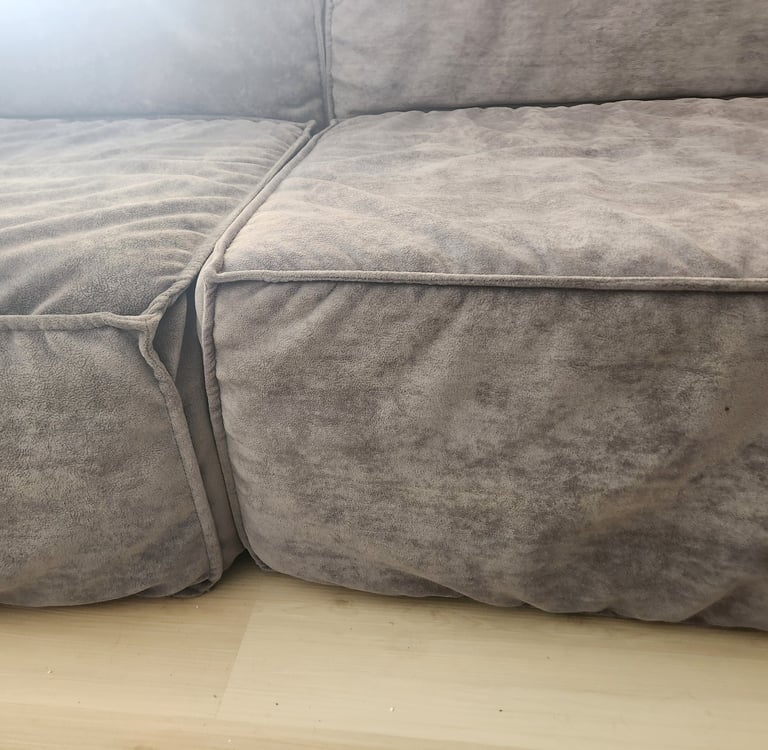
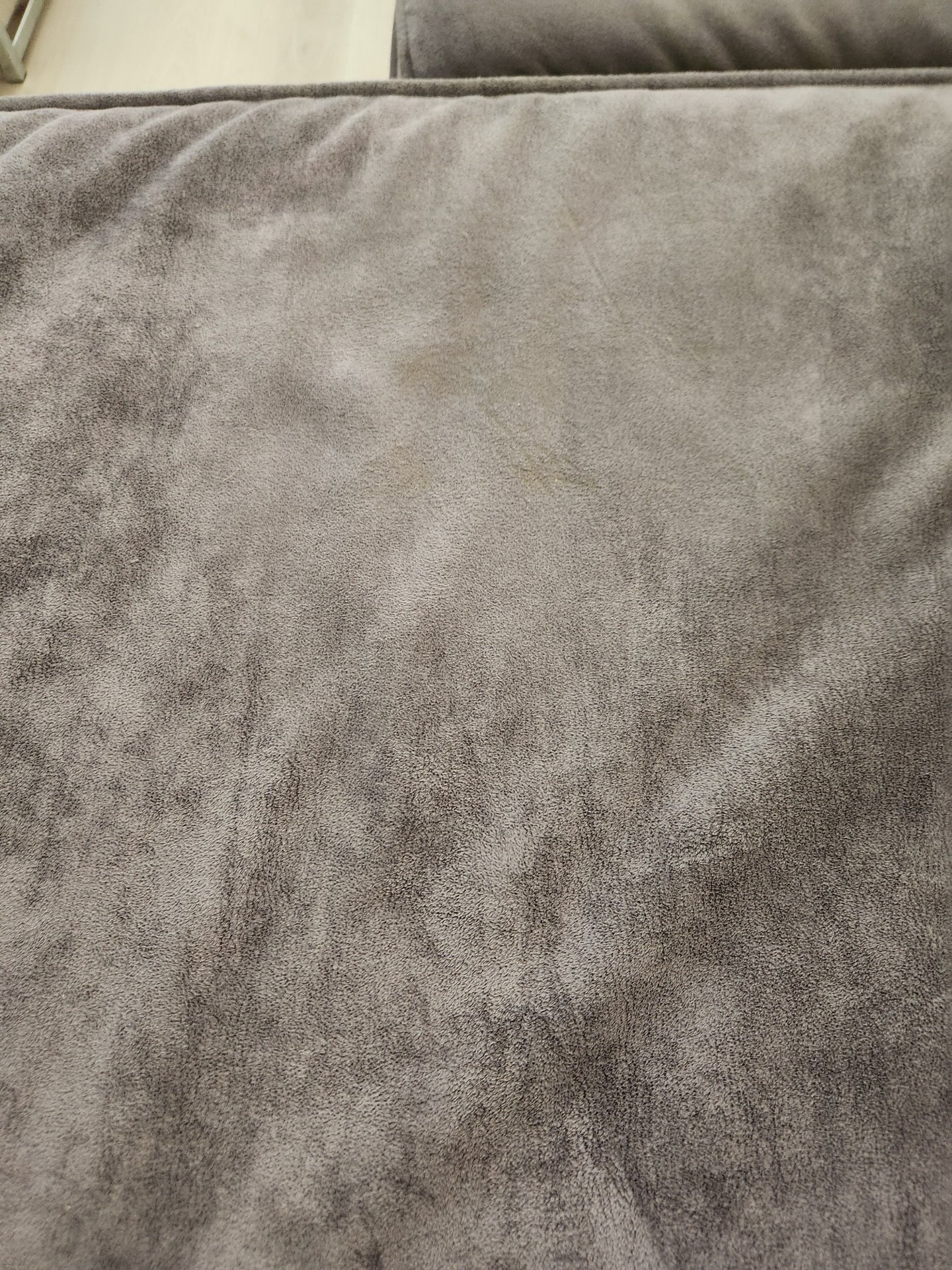
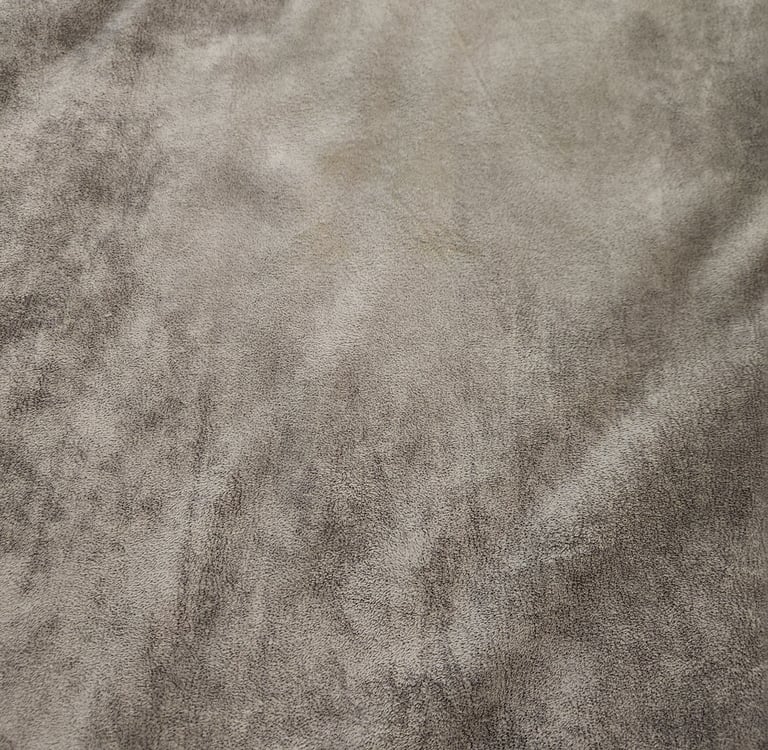
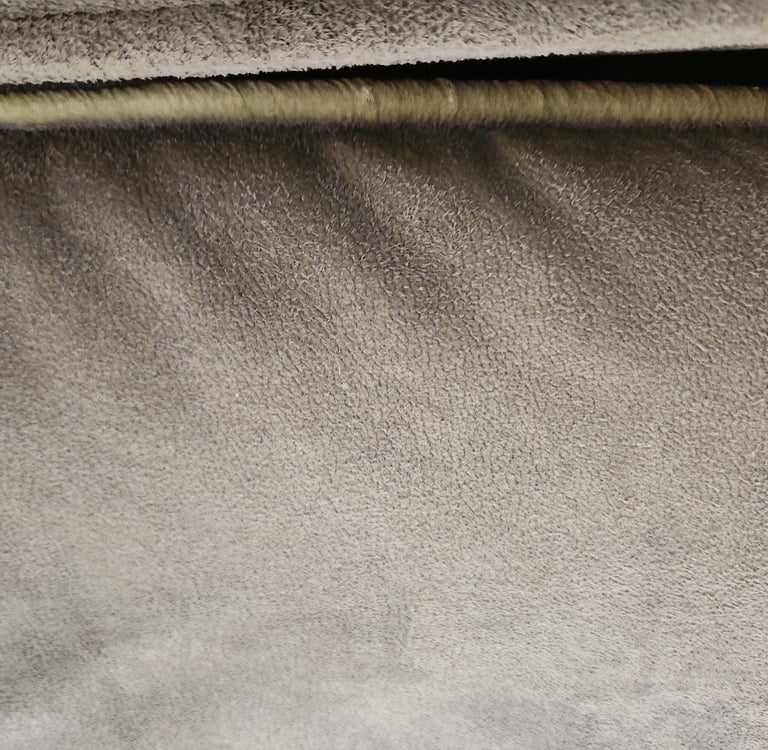
Uneven tone and patching across cushions
Directional shading inconsistent with uniform nap
Loss of surface cohesion (“soft skin” effect)
Edge distortion and seam misalignment
Non-uniform wear across identical panels
Initial Interpretation (Common):
Staining
Dirt accumulation
Improper cleaning
Actual Condition:
Material transformation driven by cumulative exposure
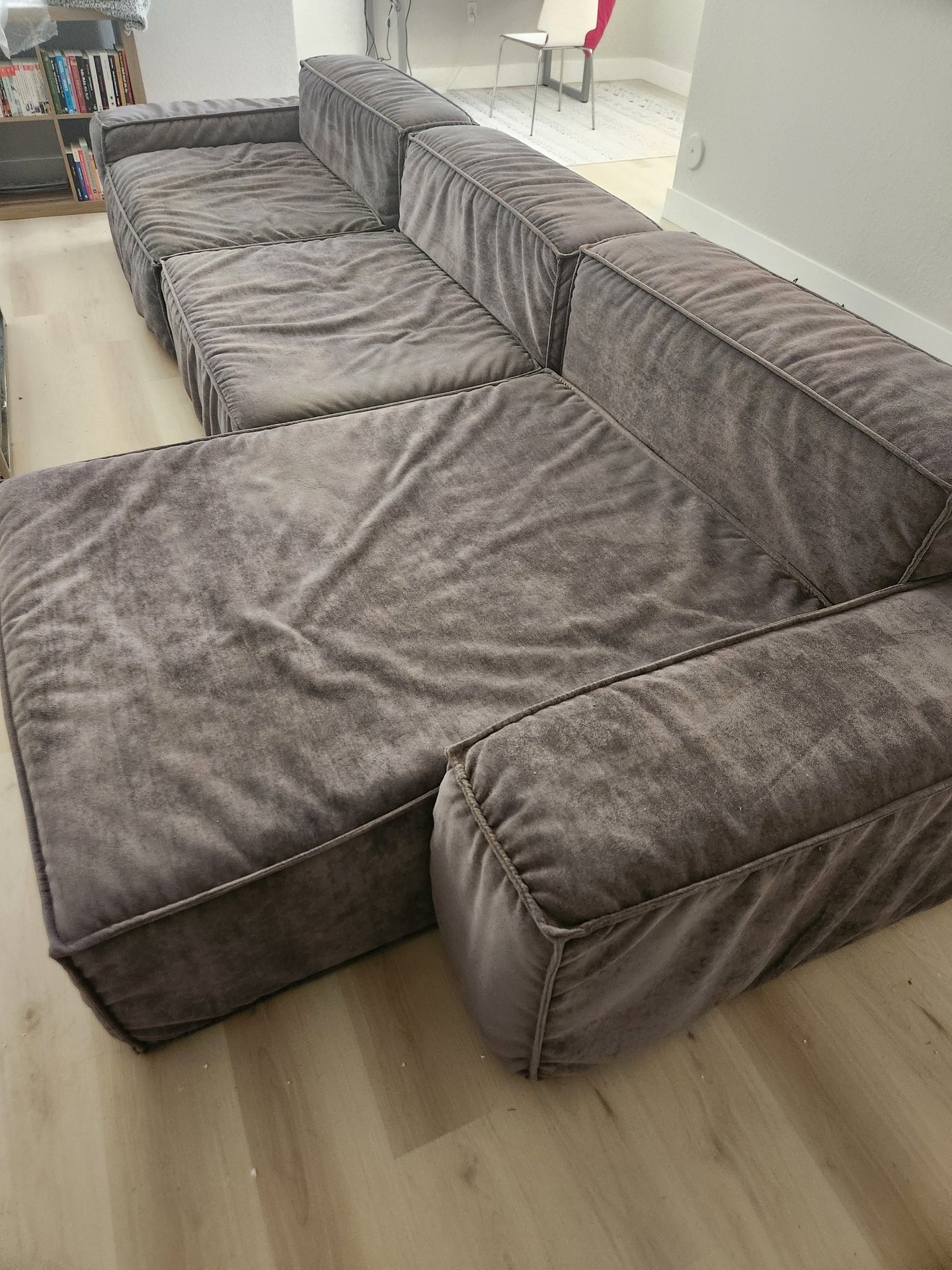
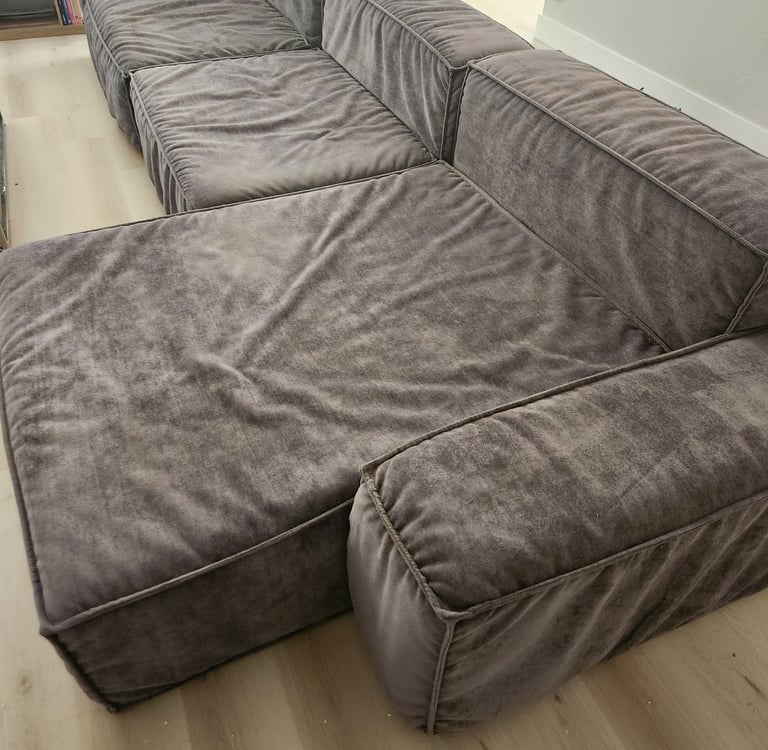
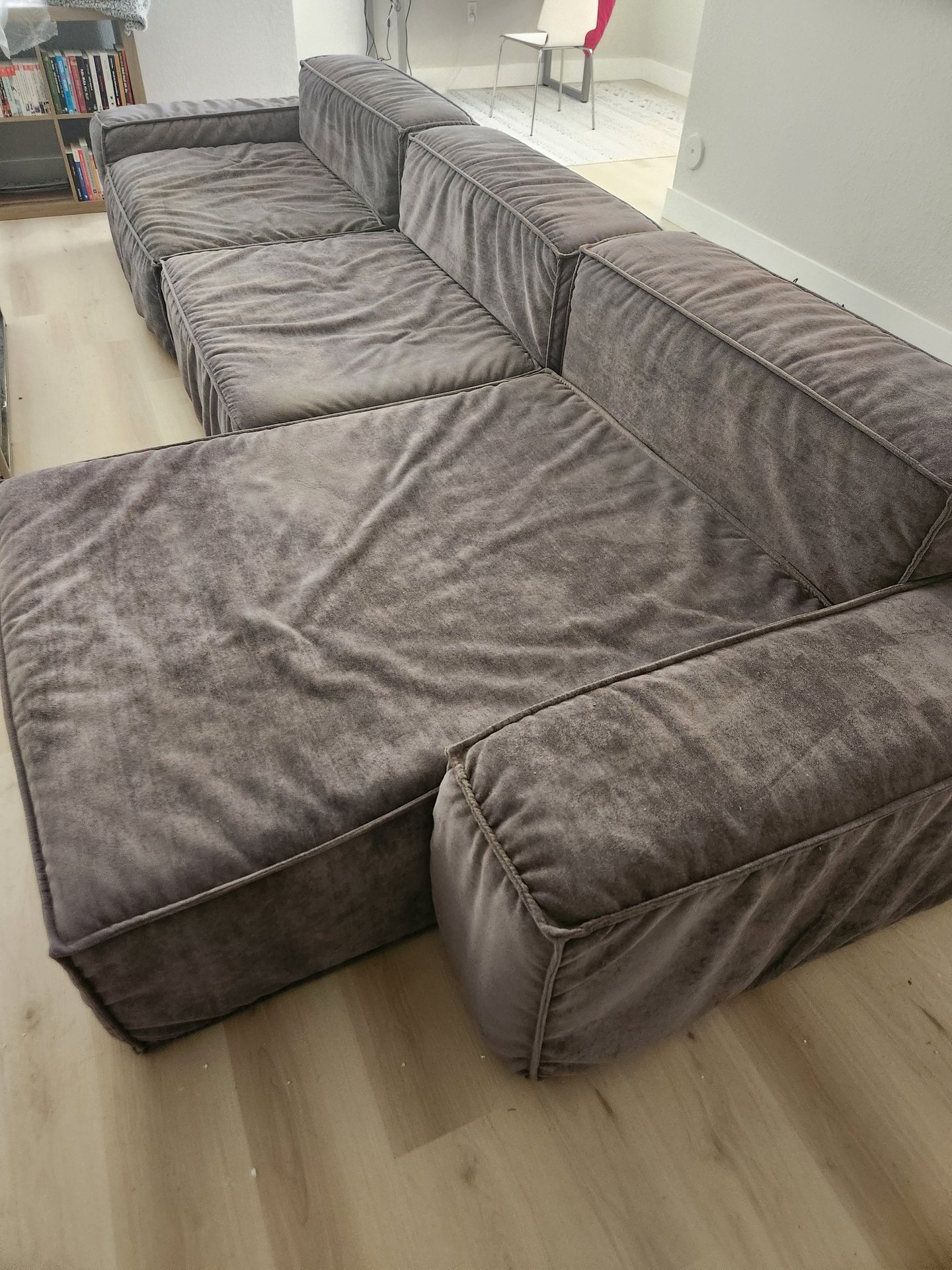
This couch appeared clean, but showed uneven fiber collapse due to repeated moisture exposure and residue retention…The surface appears stable from distance, but the internal condition is already evolving.
Material System Analysis
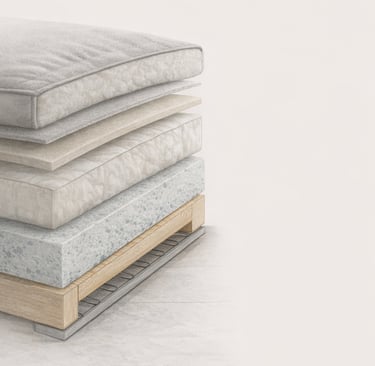
Soft upholstery is a layered system, not a singular surface.
Surface Layer
Microfiber / polyester blend with directional nap
Sensitive to friction, pressure, and moisture
Observed Failure:
Nap collapse → altered light reflection
Fiber fatigue → thinning and shedding
Micro-abrasion → loss of uniformity
Stabilization , Comfort , Core Layer and Support System
These Layers Maintains tension, structural alignment, softness, form and Load-bearing structure
Observed Failure on Stabilization:
Loss of tension → surface looseness
Uneven stress distribution
Comfort:
Compression and displacement
Loss of cushioning uniformity
Core:
Compression set (permanent deformation)
Density breakdown → uneven support
Support System:
Amplifies visible distortion when upper layers fail
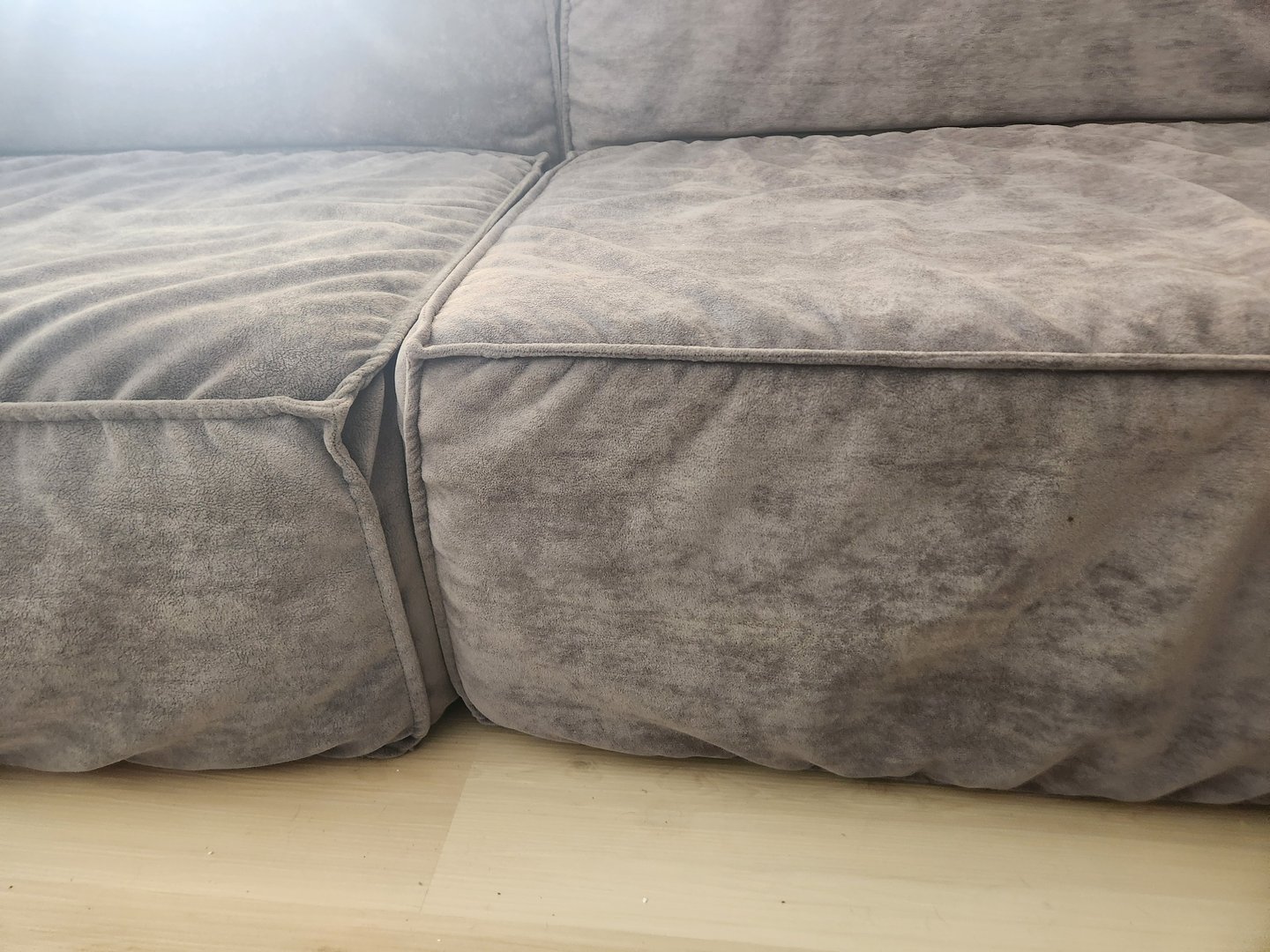
These changes are not random.
They are the direct result of repeated exposure to moisture, residues, and mechanical interaction over time.
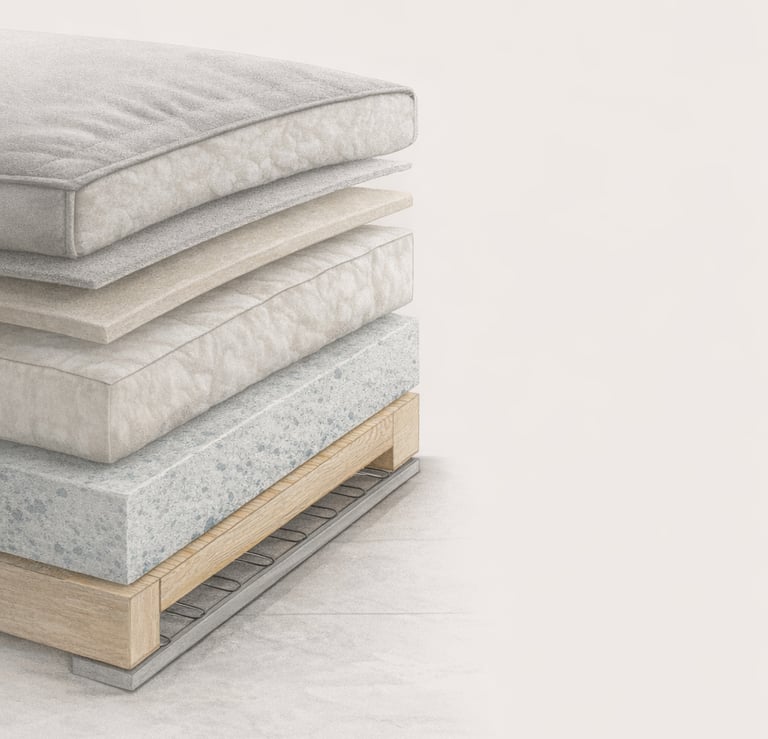
Upholstery Layer Diagram
Top → Bottom
Surface Textile (visual + tactile layer)
Backing / Scrim (stability + tension)
Comfort Wrap (Dacron / fiberfill)
Core Foam (support + load distribution)
Suspension System (webbing / springs)
Frame (structural base)
Visible change = multi-layer impact, not surface condition
Different textiles—woven, synthetic blends, natural fibers—respond differently to moisture, friction, and chemical exposure, which is why uniform cleaning approaches accelerate inconsistency in wear.
Having grown up around high-end upholstery manufacturing, the way soft materials respond to tension, moisture, and use is something I learned long before working in environmental care.
Pattern of Wear Analysis
The wear observed is patterned, not random.
Identified Patterns:
Primary seating zones
Directional movement compression
Repetitive load concentration
Edge and transition stress points
These patterns reflect:
behavioral use + environmental exposure over time
How Soft Surfaces Actually Fail
Moisture Cycling → fibers expand/contract → structural fatigue
Residue Retention → attracts soil → accelerates dullness
Improper Chemistry → fiber weakening / discoloration
Mechanical Over-Agitation → breakage at micro level
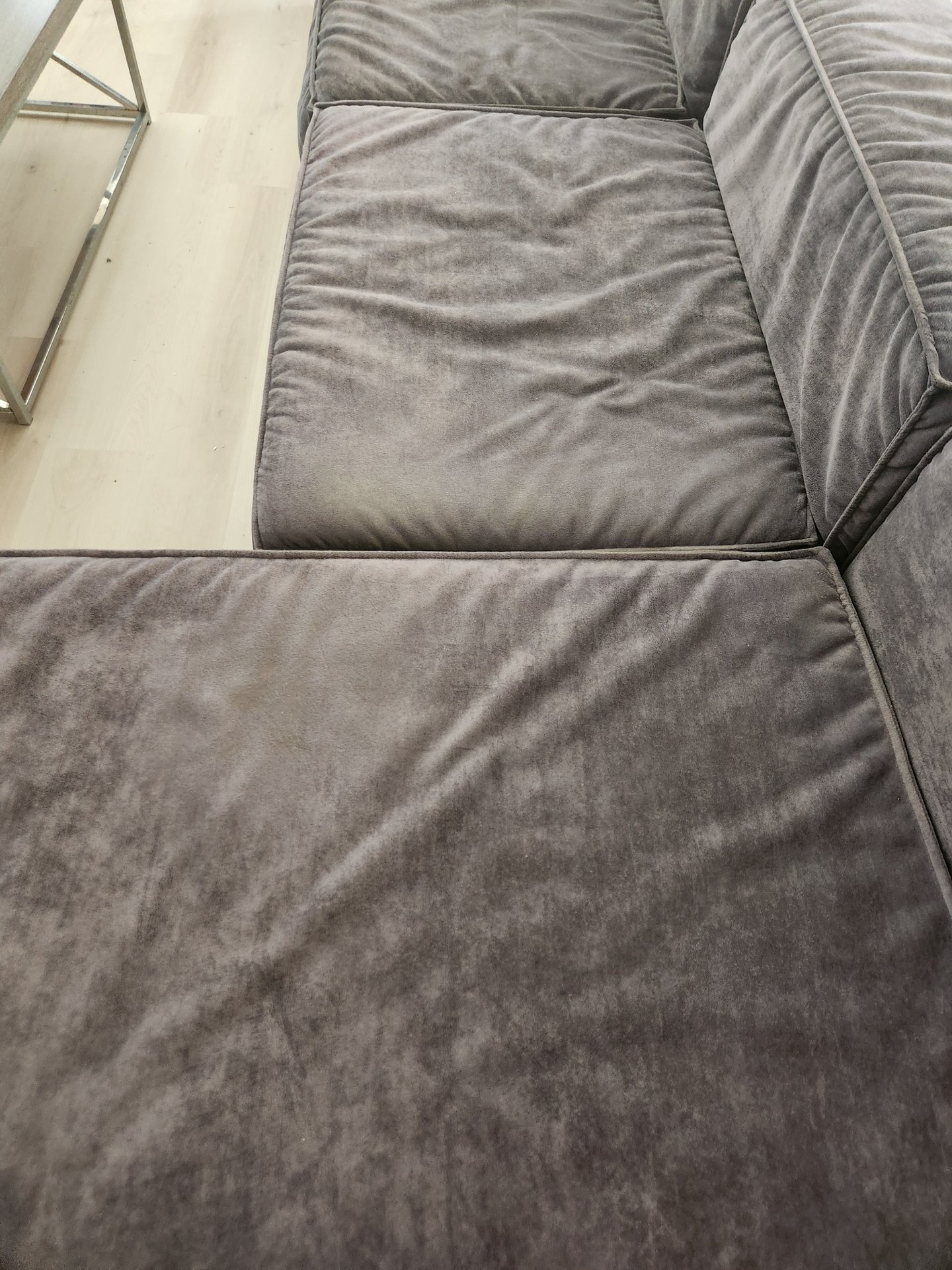
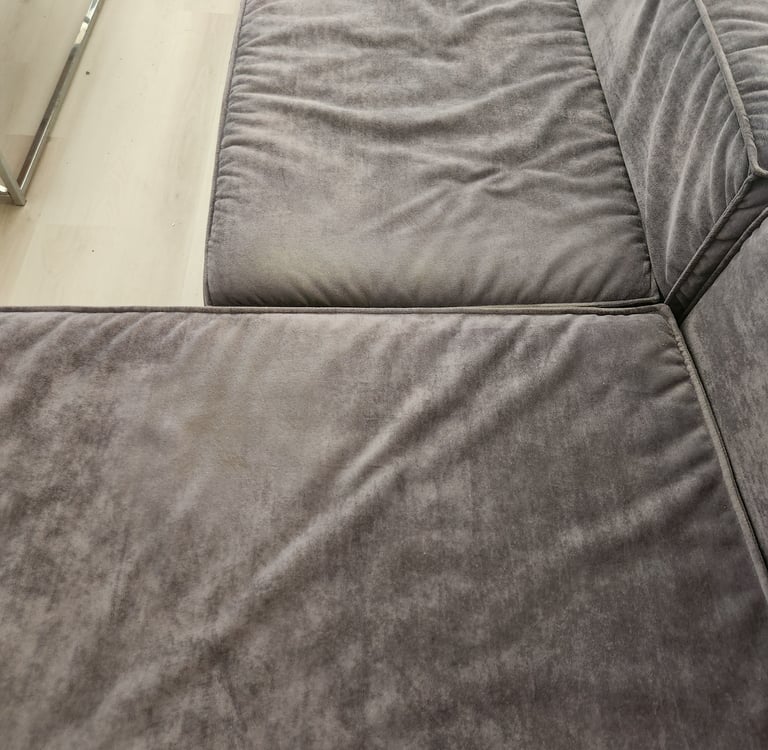
These changes are the result of how the material is maintained over time.
Localized pressure affecting fiber alignment and resilience
Impact of Unstructured Maintenance
Soft materials respond to care over time, not just individual cleaning events
Key Factors Identified:
1. Lack of Frequency
No consistent removal of particulates
Fiber compression left uncorrected
2. Sporadic Cleaning
Reactive, not preventive
Uneven intervention across surface
3. Tool Mismatch
Improper agitation → fiber stress
Lack of controlled grooming (nap reset)
4. Chemical Inconsistency
Over/under treatment in zones
Accelerated material fatigue
Moisture Cycling
Repeated wetting and drying weakens fiber structure and stability
Residue Retention
Detergents and improper rinsing leave residues that attract soilChemical Imbalance
Incorrect pH levels alter fiber composition and appearanceMechanical Stress
Aggressive agitation breaks down fibers at a micro level
These processes are gradual, but cumulative—and often irreversible once visible.
This is why environmental care must be structured—not reactive.
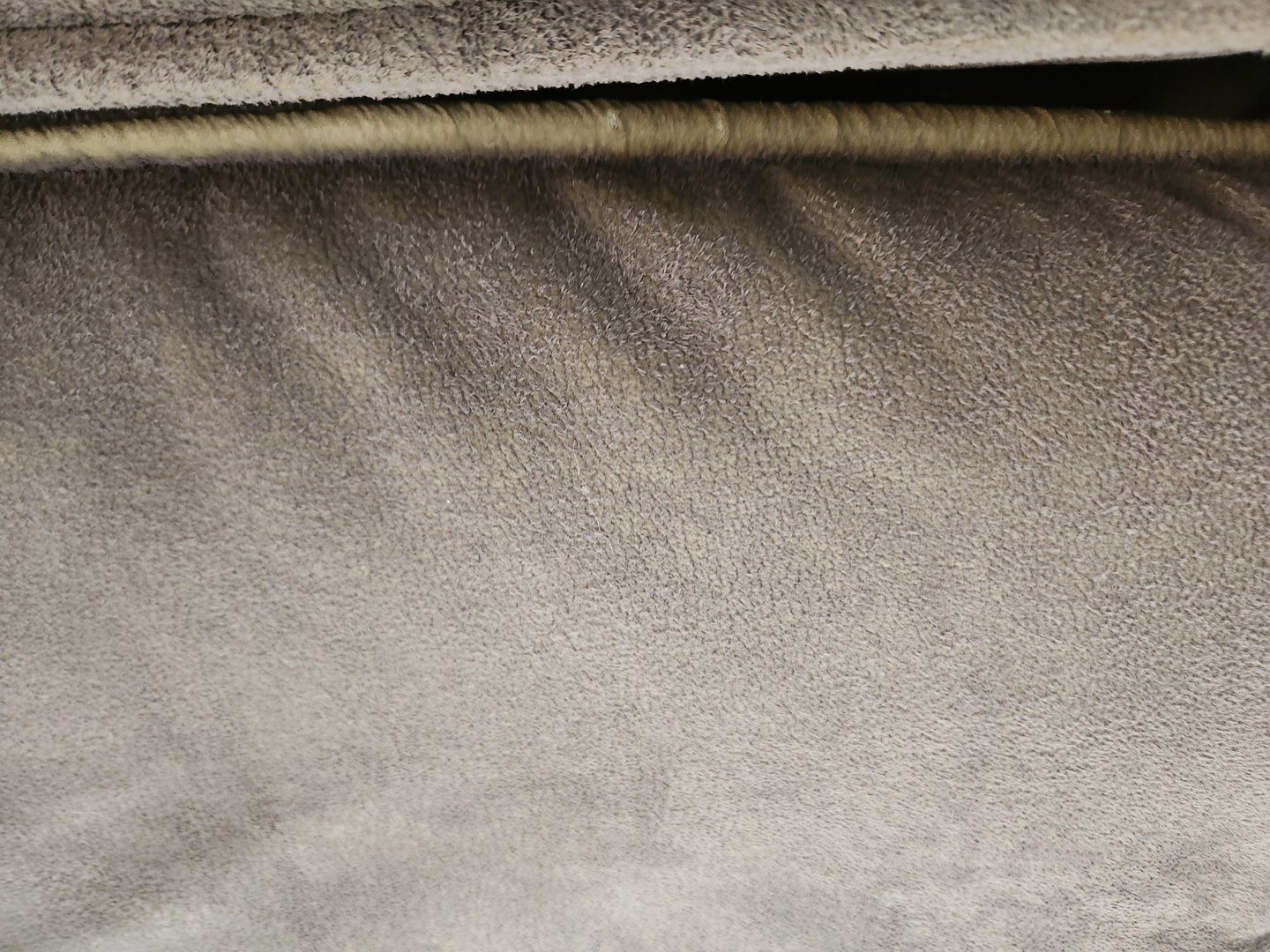
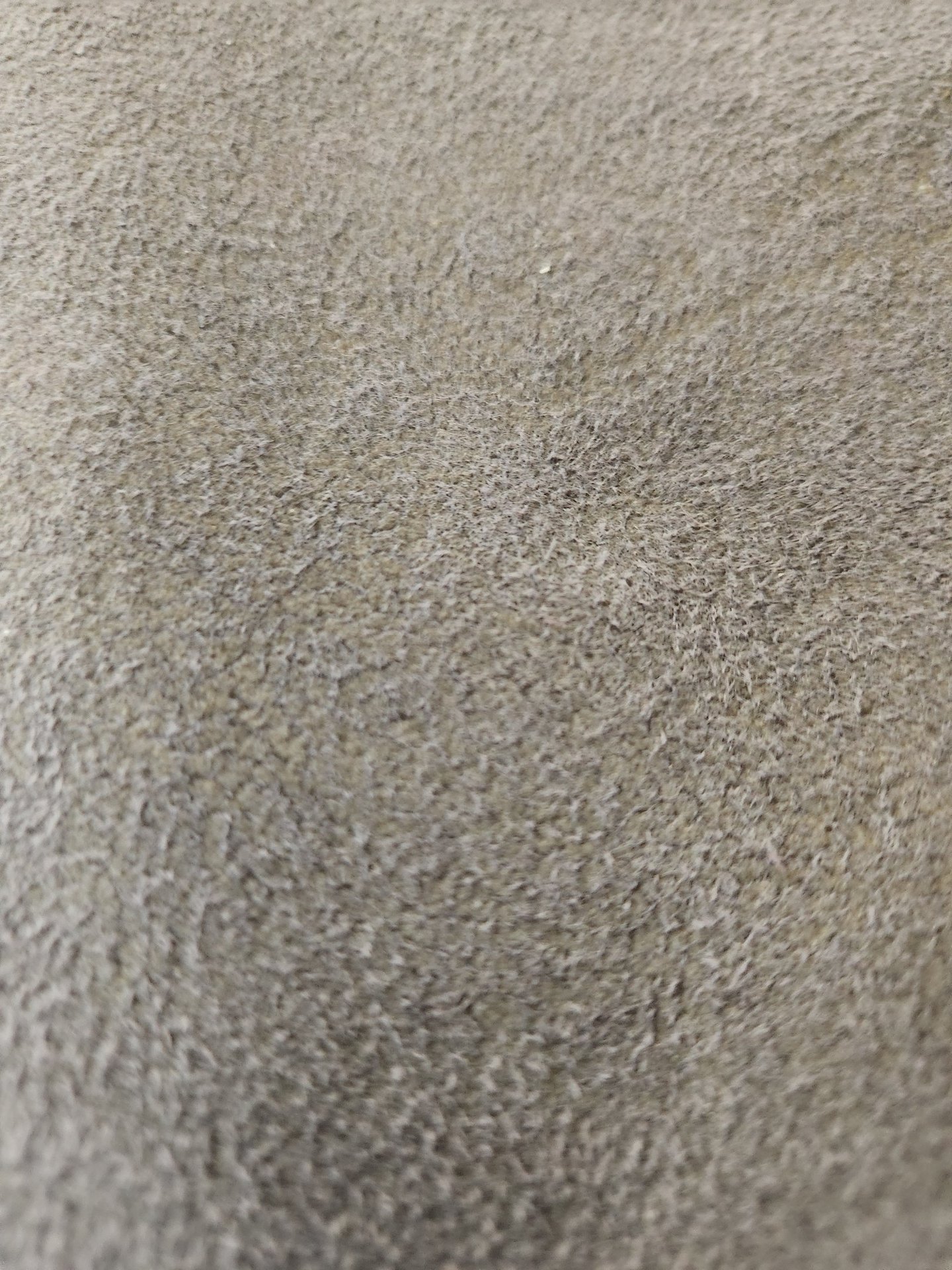
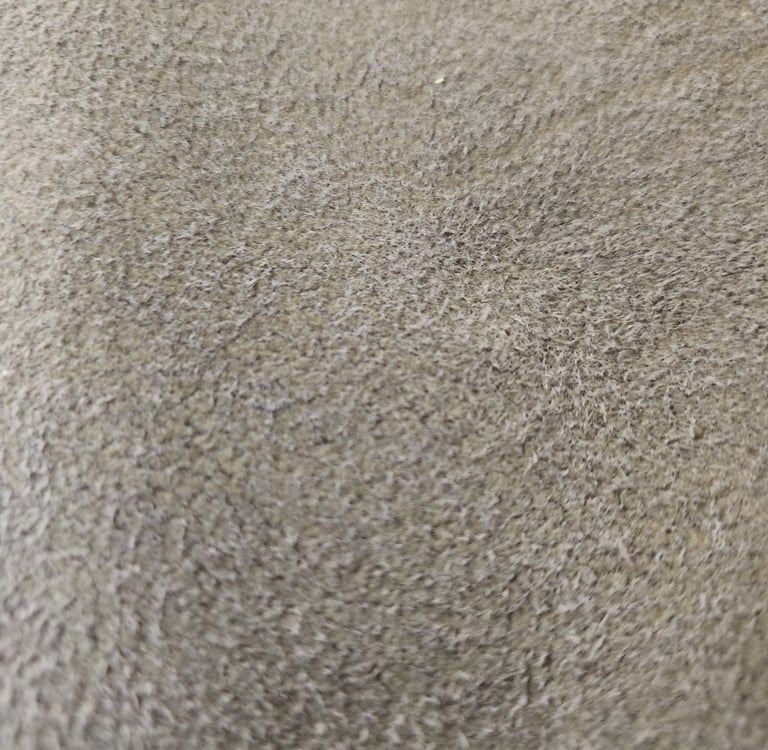
Early-stage structural softening and reduced flexibility
Gradual fiber fatigue, increased retention of fine particulate
Fiber degradation occurs at the micro level through repeated wet-dry cycling, where internal tension weakens structural resilience and alters how the material reflects light and retains particulate.
Result
Non-uniform material evolution
Different areas aged differently due to inconsistent care.
When Cleaning Reaches Its Limit
Cleaning can:
remove surface residues
improve temporary appearance
Cleaning cannot:
restore fiber density
reverse compression set
rebuild tension
correct structural distortion
At this stage:
The limitation is material condition—not cleaning method
Why Conventional Cleaning Fails
Conventional cleaning focuses on immediate visual results, not long-term material behavior.
It often introduces excess moisture into soft fibers
Leaves chemical residues that attract soil over time
Applies uniform methods to materials that behave differently
Prioritizes appearance over structural preservation
As a result, surfaces may appear clean in the moment—while degradation continues beneath.
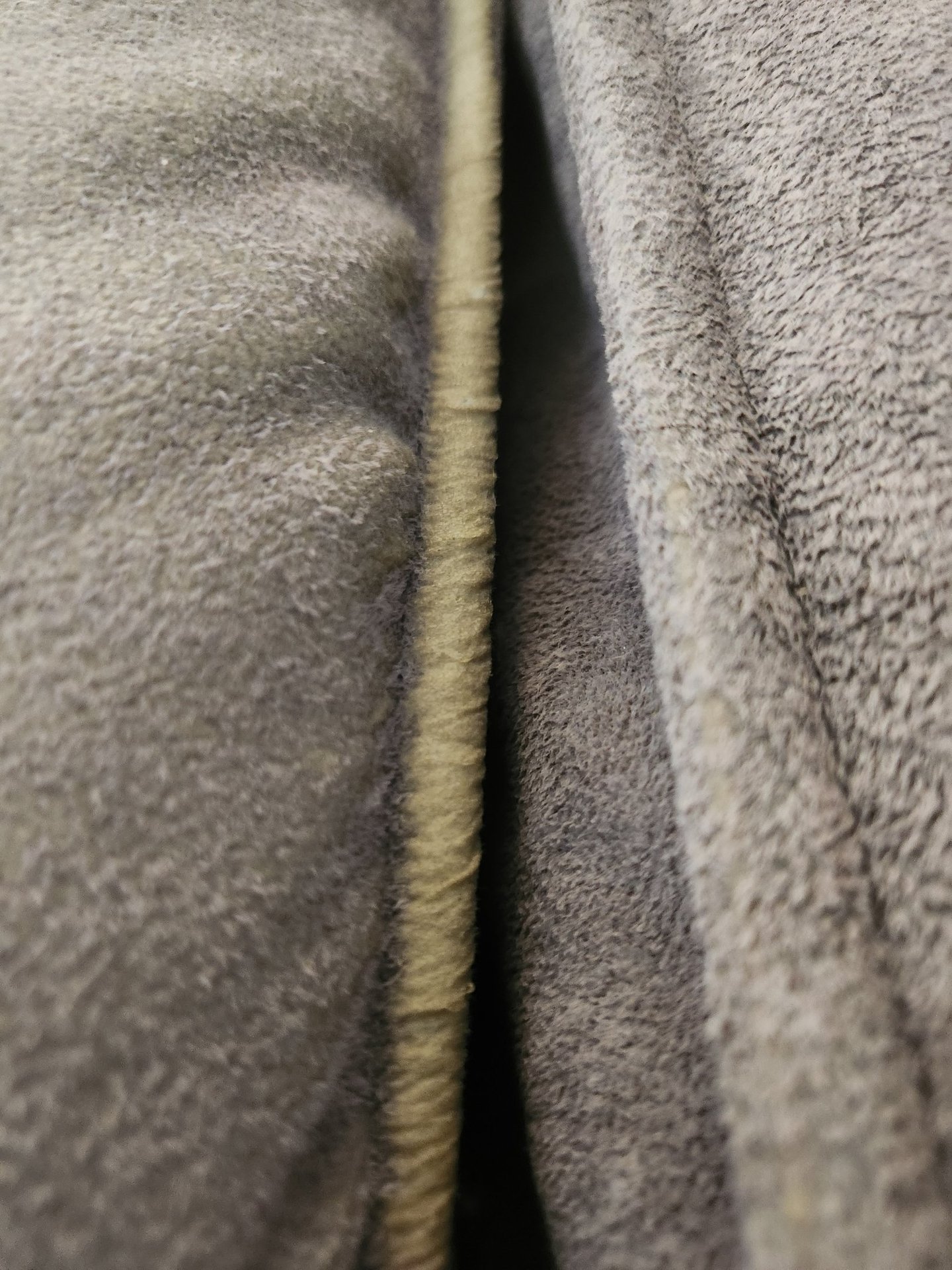
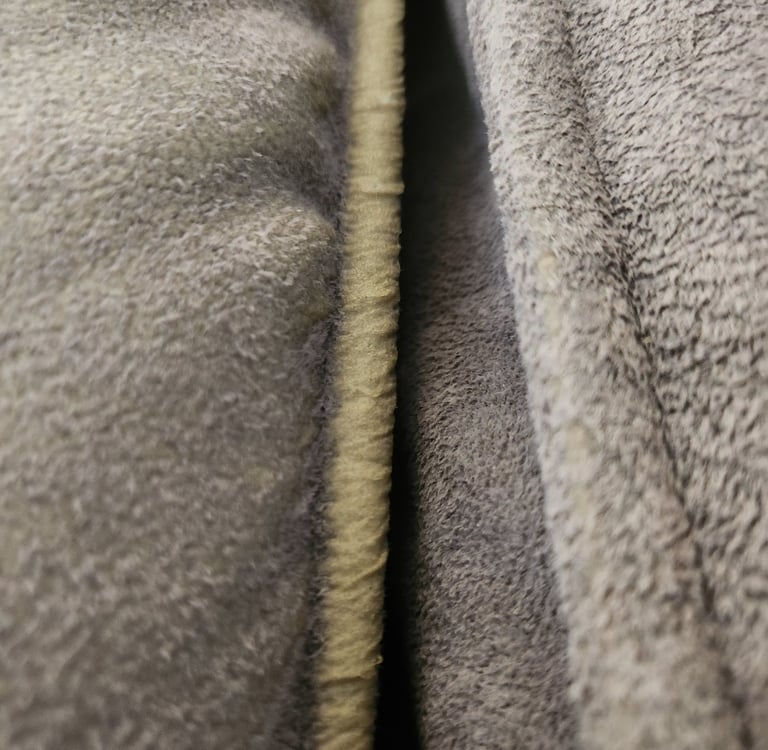
By the time these changes are visible, the internal condition has already shifted.
What This Means for Your Property
When soft surfaces are maintained without structure:
Upholstery loses clarity and texture prematurely
Fabrics flatten and appear worn before their time
Structural integrity weakens
Replacement cycles accelerate
Long-term costs increase significantly
What appears to be normal wear is often the result of accumulated, misaligned care.
Financial Impact of Deferred Maintenance
Original Asset Value:
High-end upholstered sectional
Estimated: $4,000 – $10,000+
Level Service Estimated Cost
Level 1 Cushion core replacement $800 – $1,800
Level 2 Cushion + structural correction $1,200 – $2,500
Level 3Full re upholstery $2,500 – $5,500+
Level 4 Replacement Full asset loss
Deferred maintenance converts preservation into replacement
What Should Have Happened (Preventive System)
If addressed at early-stage observation:
Weekly / Biweekly
Controlled vacuuming (low-friction attachments)
Nap alignment / fiber grooming
Dry particulate removal
Monthly
Targeted low-moisture cleaning
Light reconditioning of high-use zones
Quarterly
Structured upholstery maintenance
Controlled extraction (if needed)
Cushion rotation / load redistribution
Environmental Controls
Use of protective covers in high-risk zones
Pet exposure management
Moisture control and quick-response protocols
This is not a matter of how often a surface is cleaned.
It is a matter of how that care is structured over time.
Result if implemented
Uniform aging
Preserved fiber integrity
Maintained structural tension
Extended lifespan of the asset
Core Principle
Cleaning is surface correction.
Maintenance is material preservation.
Without a system:
degradation becomes uneven
intervention becomes reactive
cost escalates over time
Veppa Method Insight
Environmental Stability Requires Structure
A proper maintenance system aligns:
material type
usage patterns
environmental exposure
frequency of care
Not random intervention
Not reactive cleaning
But:
intentional, repeatable material care
What This Means for Your Property
Upholstery lifespan is extended
Material clarity is preserved
Replacement cycles are reduced
Long-term cost is controlled
Understanding Before Action
Soft surfaces don’t fail from use.
They fail from how they are maintained over time.
Soft surfaces do not fail because they are used.
They fail because they are maintained without structure.
By the time deterioration becomes visible—through dullness, flattening, or loss of texture—the internal damage has already occurred.
At that point, care is no longer corrective.
It becomes replacement.
Soft surfaces do not fail because they are used.
They fail because they are maintained without structure.
Every environment responds differently—based on its materials, exposure, and patterns of use.
For this reason, care should not be generalized. It should be evaluated.
Our Environmental Stability Assessment is designed to evaluate how your materials are performing over time—identifying early-stage conditions before they become visible damage.
This is where care shifts from reactive to structured.
Most environments are not evaluated until damage becomes visible.
By then, the opportunity for prevention has already passed.
Reach out for thoughtful, expert cleaning care
Phone
(561) 275-0100
Site Design by Veppa LLC. © 2026. All rights reserved.
Technical paper- Material Compatibility & Surface Stability in Repeated Service Environments
Veppa Technical Standards