
Why material-aware care matters
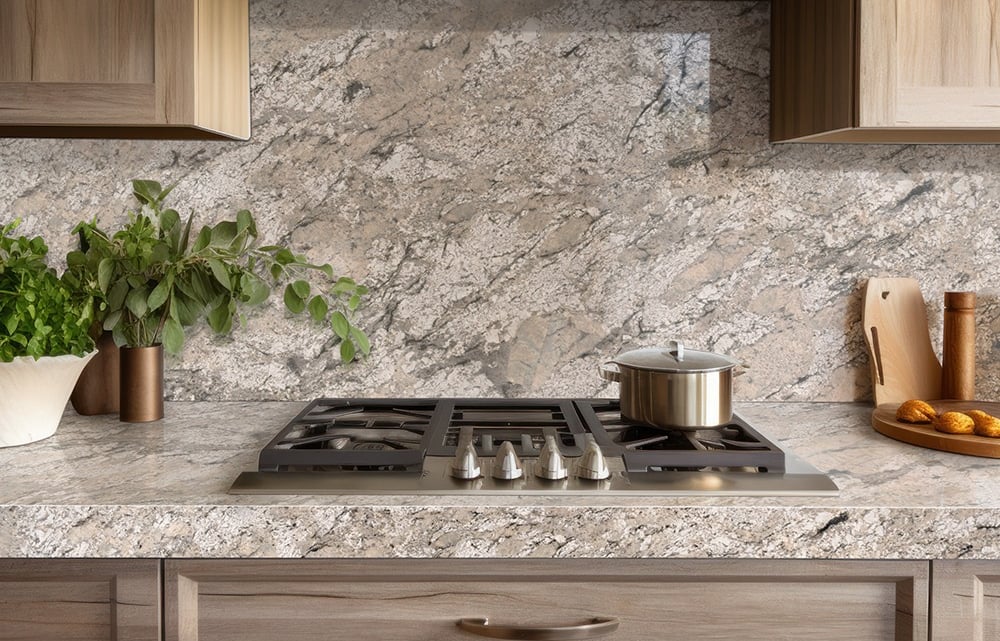

In high-value interiors, most damage doesn’t happen in one event. It accumulates through repeated, incompatible cleaning cycles.
Across the cleaning industry, property damage is one of the most common incidents
Etched or discolored stone
Stained or weakened fabrics
Swollen or warped wood
Scratched metals or finishes
Residue buildup on sensitive surfaces
In most cases, the damage is not caused by negligence, but by generalized cleaning methods applied to materials that require specific care.
The limits of routine cleaning
Many conventional cleaning processes are designed around:
Speed
Standardized products
Broad, one-size-fits-all routines
Minimal material-specific training
While this approach may produce quick visual results, it can create long-term issues such as:
Premature wear of finishes
Fabric deterioration
Chemical residue accumulation
Moisture-related damage
Increased maintenance or replacement costs
Most failures trace to four variables: pH, abrasion, moisture load, and repetition.
These are frequently linked to improper chemical use, incompatible tools, or a lack of material awareness.
The protocol of trained, material-aware personnel
Materials behave differently under exposure.
For example:
Natural stone reacts to acidic or alkaline solutions.
Wood finishes can swell or dull with excess moisture.
Upholstery fabrics can weaken under repeated chemical stress.
Metals may scratch or corrode under abrasive or incompatible products.
Without material-specific protocols, even well-intentioned cleaning can create cumulative stress on finishes
Material-aware care relies on:
Understanding surface composition
Selecting compatible products
Controlling moisture and dwell time
Using appropriate tools for each material
Following defined care routines
This approach reduces the likelihood of damage and helps maintain the original condition of the environment.
From appearance to preservation
Traditional cleaning often focuses on short-term appearance.
Material-aware care focuses on long-term stability.
Instead of asking:
“Does it look clean right now?”
The question becomes:
“Will this surface remain stable and intact after repeated care cycles?”
At VEPPA, environments are not treated as a collection of surfaces, but as systems composed of different materials, exposures, and usage patterns.
Our approach is designed to:
Reduce unnecessary wear
Limit chemical stress
Preserve finishes over time
Deliver consistent, measurable outcomes in professional environments
Material-aware care is not about doing more cleaning.
It is about applying the right method, to the right material, at the right frequency.
That is what protects the environment—not just its appearance.
That shift reduces avoidable wear and protects lifecycle value
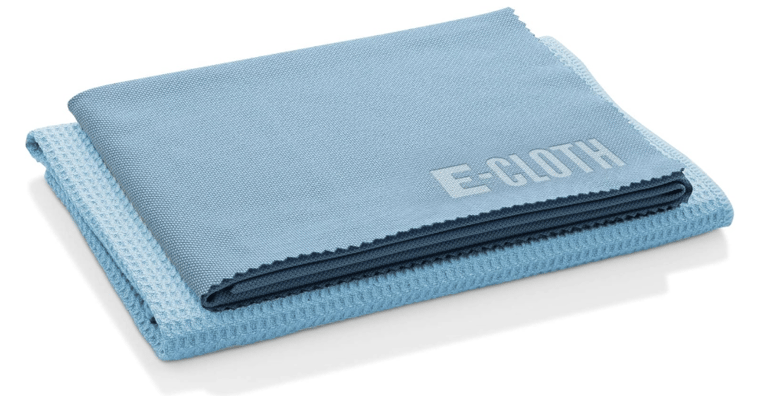
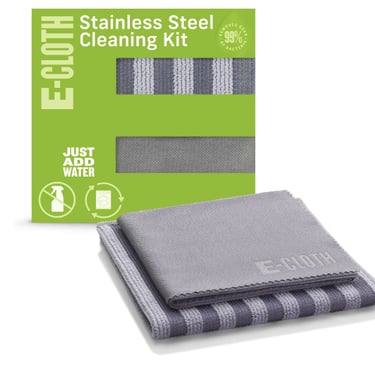
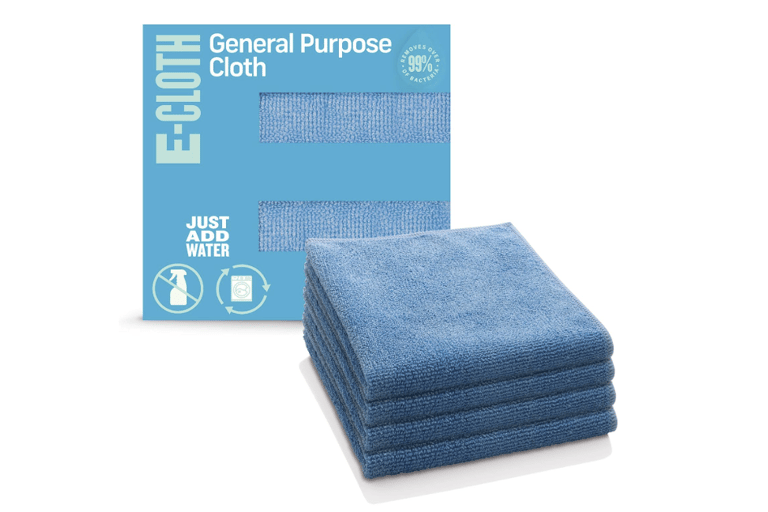
Different materials respond best to different textile densities and absorption profiles.

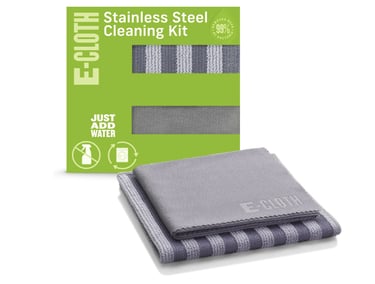
For properties requiring material-aware evaluation and protocol design.
What surface requires review?
In high-value environments, compatibility + restraint outperform intensity. Our assessment identifies material risk factors and stabilizes the care plan
Request Structured Surface Review


Why Material-Aware Care Matters — Operational Perspective
When we talk about “material-aware care,” we mean more than choosing gentle products or following labels. Materials — whether stone, textile, coated metal, or specialty finish — have distinct chemical, mechanical, and environmental sensitivities. These sensitivities govern how fibers, minerals, or coatings respond to:
pH and chemical exposure
Mechanical abrasion over repeated cycles
Moisture retention and evaporation dynamics
Temperature and humidity exposure
A material-aware care system recognizes that each intervention — a wash, wipe, brush stroke, or disinfectant contact — has both immediate and cumulative effects. Systems that ignore these intersections risk hidden degradation: dulling, fiber weakening, micro-etching, premature finish failure, or color drift.
This matters because the cost of repeated micro-damage is not linear; small losses compound, reducing service life and increasing lifecycle expense long before the next visible failure arises.
Preventive care focuses on stability before damage occurs.
Practical Rules to Apply Material Awareness
Identify substrate-specific behaviors. Catalog material families (e.g., calcareous stone vs siliceous stone; natural vs synthetic textiles) and refer to documented response patterns.
Select tools and chemistries with predictable activity profiles. Avoid “catch-all” products that may intersect different chemistries unpredictably.
Document exposure and outcomes. Track how surfaces respond over care cycles — not just after one application — to observe stability trends.
Adjust protocols based on observed material response. Shift tool choice, dwell time, or sequence rather than applying static routines across all materials.
Reach out for thoughtful, expert cleaning care
Technical paper- Material Compatibility & Surface Stability in Repeated Service Environments