
Between-Visit Care
The guidance shared on these articles is designed for daily upkeep between professional VEPPA services visits.
We discuss products, chemistry, and processes as part of an educational approach to caring for home environments and the materials within them.
These references reflect how we think about surface care and maintenance, but they are not substitutes for professional assessment, proper disinfection procedures, or material-specific treatment when required.
Each home and surface responds differently, and correct chemistry should always be applied with consideration to the environment being treated.
Protect The Fabrics You Love: Expert Care For Wool, Cashmere, And Linens
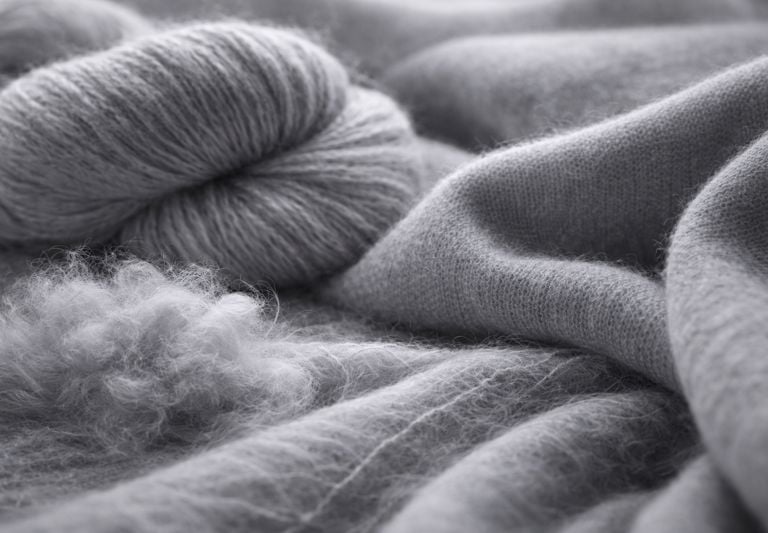
In homes, caring for garments and fine linens is approached with the same attention given to stone, wood, and finishes. Delicate textiles such as wool and cashmere respond best to thoughtful chemistry and measured handling rather than conventional laundry routines. When the right products are used in the right amounts, fabrics retain their natural softness, structure, and breathability — preserving the feel and quality that made them special to begin with.


Rethinking Sponges In The Kitchen: It’s Not The Soap — It’s The Tool
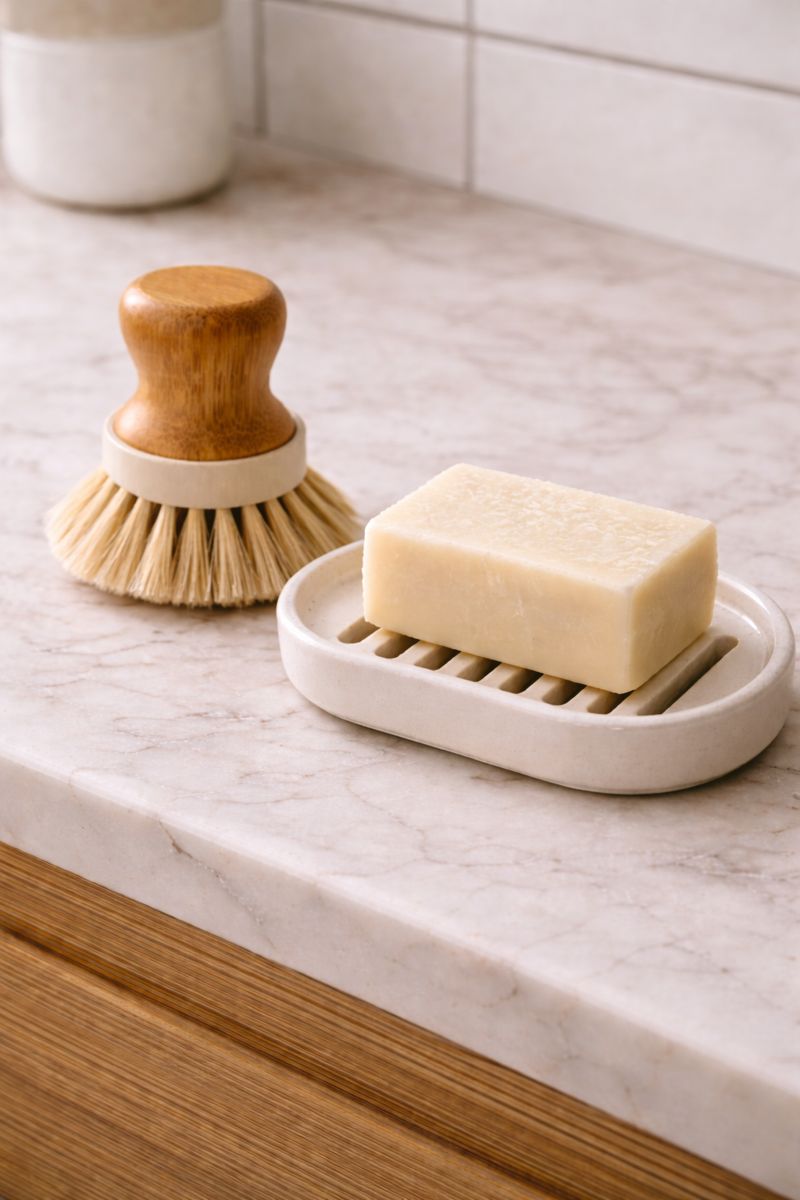
Sponges retain water internally and dry slowly. This constant moisture creates an environment where residues and microorganisms can persist between uses. Even when rinsed, a sponge’s porous structure holds what the eye cannot see. In kitchens, the tools used for washing often matter more than the soap itself. Small daily habits around moisture, drying, and storage determine whether a sink area stays fresh or becomes a quiet source of buildup.

Why Overusing Disinfectants Can Undermine True Cleanliness
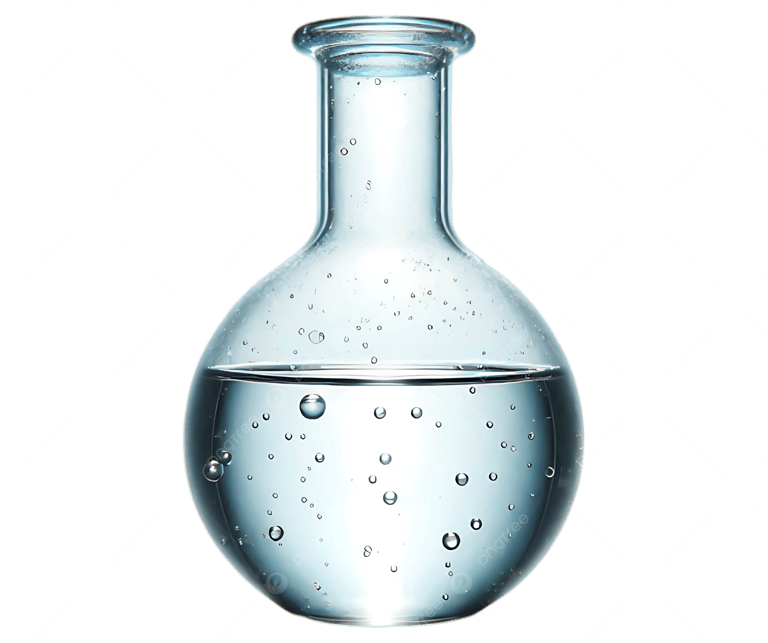
Proper disinfection is not achieved through stronger products, but through correct chemistry, appropriate dwell time, and the right process for each surface. In many homes, the overuse of harsh cleaners creates residue that interferes with true cleanliness and leaves behind the familiar “chemical clean” smell. Low-residue systems based on balanced chemistry allow for effective daily upkeep without overwhelming materials, air quality, or the natural feel of the home — supporting a healthier environment between professional care visits.

Why Material-Aware Care Protects Your Home Long-Term
Many cleaning routines focus on visible results without considering how different materials respond over time.
A surface may look clean in the moment, but repeated exposure to incompatible chemicals, excess moisture, or abrasive tools can slowly degrade finishes, fabrics, and structural components.
The Evolution of Environmental Hygiene
Modern facilities are dynamic environments. Occupancy levels, airflow patterns, surface interaction, humidity, and chemical application cycles all influence environmental stability over time.


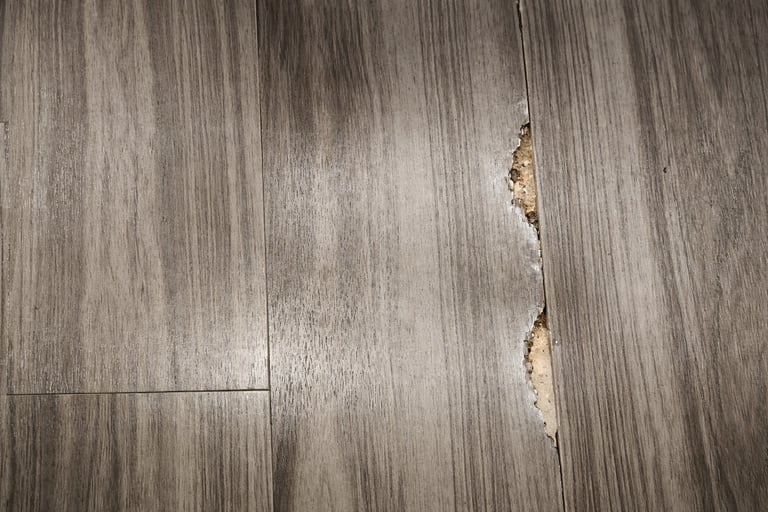
When the Floor Fails from Within
When flooring fails, cleaning is often blamed.
But in many commercial spaces, the real cause is mechanical stress — not maintenance.
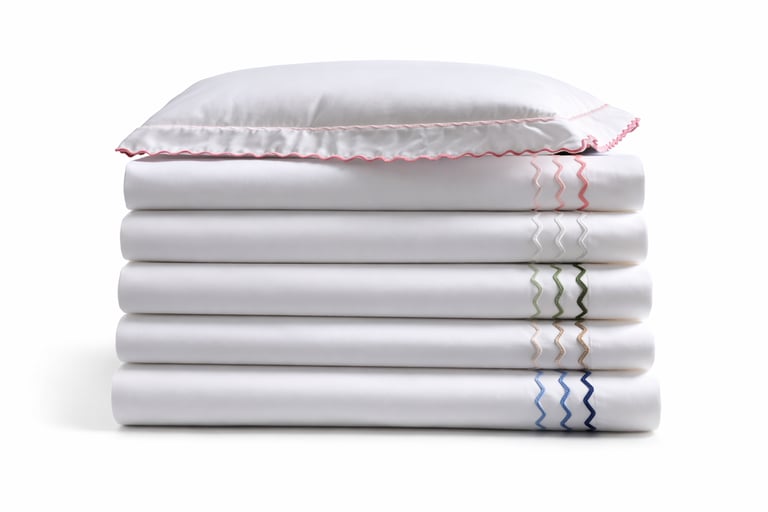
Why Textured Cotton Bedding Ages Better Than Synthetic Alternatives
Coming soon.
Surface Damage, Fixture Replacement, and the True Cost of Improper Maintenance
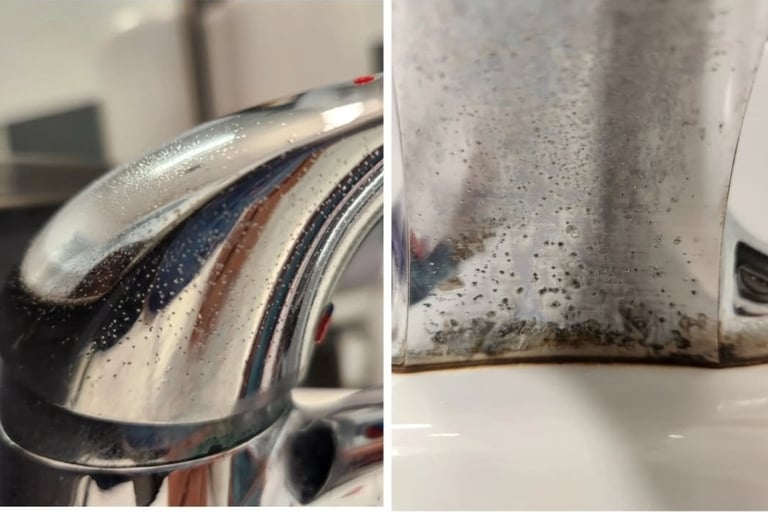
In both residential and commercial environments, surface care is often approached as a routine task. However, improper cleaning methods, chemical exposure, mineral buildup, and inconsistent maintenance can lead to progressive material damage.
What begins as a surface issue can develop into fixture deterioration—requiring replacement rather than restoration.
Understanding this progression is essential to protecting long-term property value.
Natural Stone and Sensitive Materials
Many residential and commercial environments include materials such as:
• marble
• limestone
• travertine
• onyx
• polished calcite-based stones
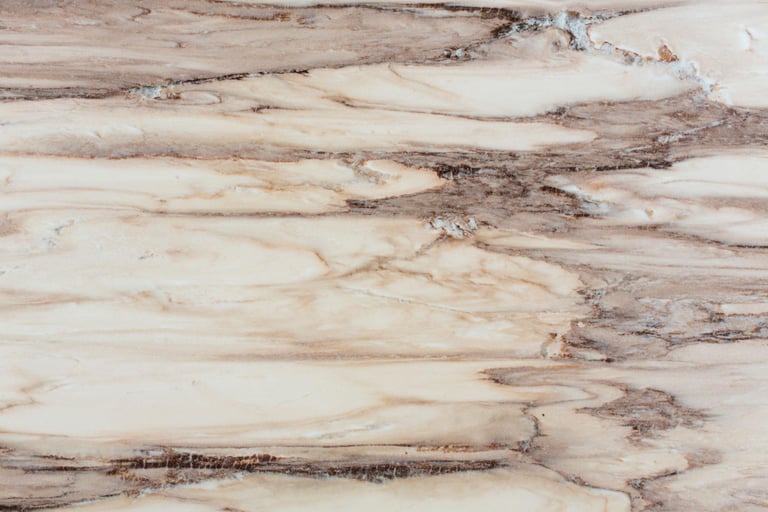
These materials are chemically sensitive and can react to acidic cleaners, mechanical abrasion, and repeated moisture exposure.
Material-aware care requires selecting tools, solutions, and cleaning methods that maintain the integrity of these surfaces over time.
Coming soon.
Why We Care About Surfaces | Surface Care & Environmental Maintenance Services
Learn why surface care matters in residential and commercial properties. Veppa Services provides material-aware cleaning, post-construction cleaning, and environmental maintenance systems designed to preserve surfaces and extend asset life.
VEPPA does not sell products.
We specify materials that align with environmental care principles.
The selection of tools used in surface care is as important as the cleaning chemistry itself. Abrasive pads, harsh brushes, or incorrect tools can accelerate wear on natural stone, wood finishes, and delicate surfaces.
Veppa selects cleaning tools based on material sensitivity and mechanical impact. This material-safe cleaning approach helps reduce surface abrasion and supports long-term preservation of finishes and textures.
Some of the references in these sections may contain affiliate links. These do not affect our recommendations and are provided for convenience.