



Residential Intelligence
Features & Purpose
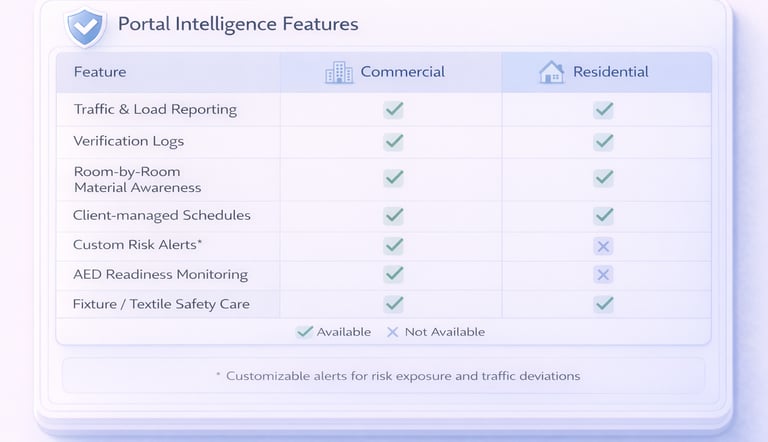
In private residences, the intelligence system functions as a long-term care companion to the home.
It supports:
Protection of architectural finishes and custom materials
Documentation of fabric treatments and surface sensitivities
Ongoing maintenance notes and follow-up observations
Thoughtful adjustment of visit frequency over time
Clear recommendations for specialty or preventive services
Continuity for owners across seasons, renovations, or changes in occupancy
Preservation of original design intent through architect or designer input
For homeowners, this creates clarity, confidence, and continuity — allowing the home to age with intention rather than uncertainty.
From Insight to Outcome
As properties evolve, their care must evolve with them.
The intelligence file informs:
When frequencies should increase or decrease
When materials require preventive or restorative attention
When specialized services should be introduced
When original care methods should be adjusted
Each visit builds on the last, creating continuity instead of repetition.
This is how predictivity becomes outcome — not through rigid schedules, but through informed stewardship.
Over time, this allows conditions to be understood as part of an environmental lifecycle rather than isolated events — helping distinguish between routine maintenance, recurring instability, corrective phases, and long-term preservation needs.
One System. Two Expressions.
Residential or commercial, the intelligence remains the same:
Observe. Record. Learn. Adapt.
Different environments.
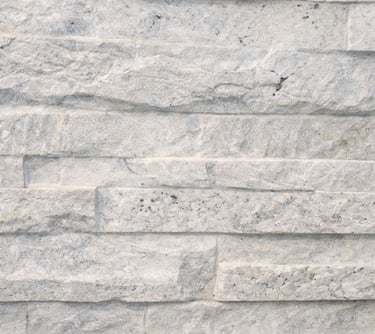
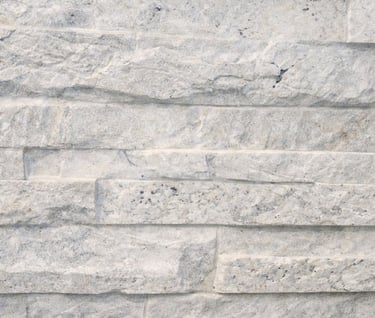
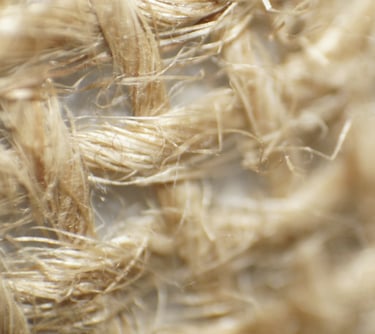
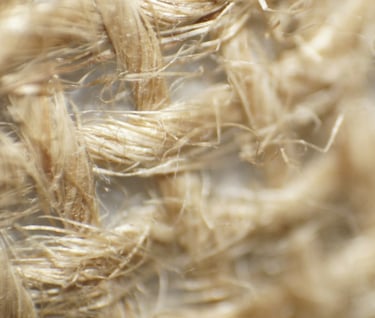
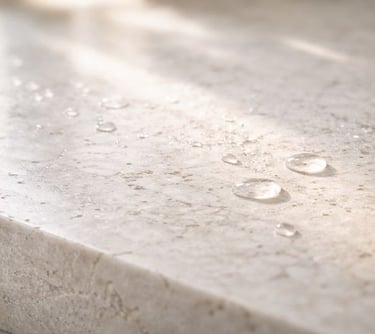
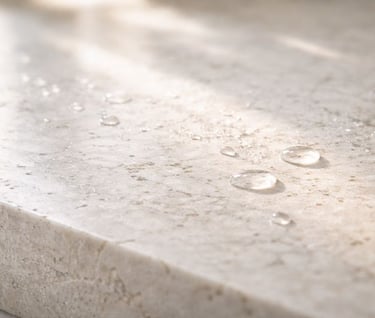
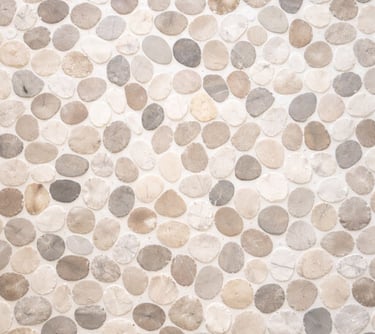
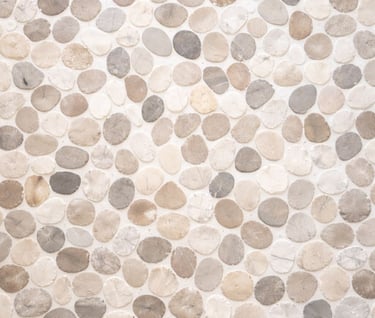
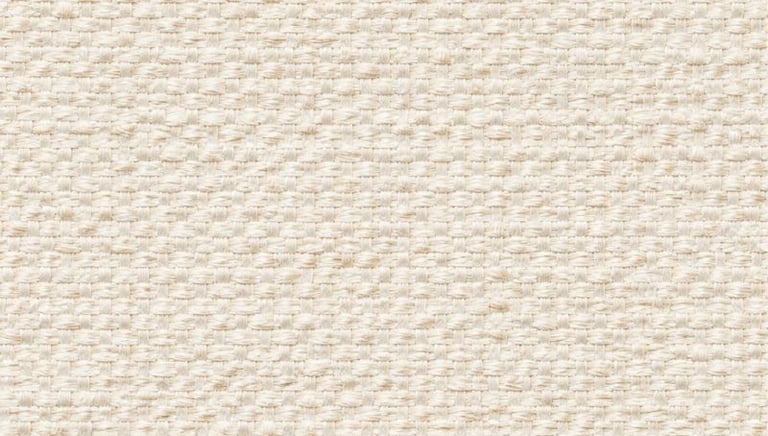
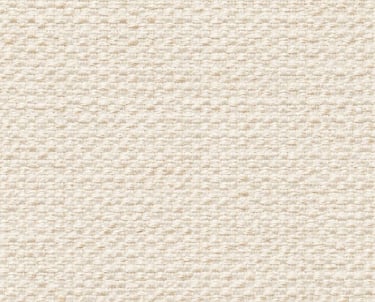
One of the most overlooked aspects of environmental care is how different materials respond to repeated cleaning over time. Fabrics, wall coverings, natural stones, specialty finishes, and architectural surfaces do not behave like standard household materials; they react to moisture, chemistry, friction, and air exposure in ways that can lead to gradual deterioration when handled incorrectly. This is especially true in high-end residences, hospitality spaces, and designed interiors where materials are often selected for aesthetics rather than durability.
Surfaces We Frequently Work With
Natural stone and marble with delicate veining
High-end wallpapers and wall fabrics (grasscloth, silk, textured coverings)
Upholstery, drapery, and decorative textiles
Wicker, rattan, and porous decorative materials
Custom cabinetry finishes and specialty paints
Fine flooring materials and architectural surfaces
These materials require restraint, product knowledge, and handling techniques that go beyond routine cleaning practices.
Why This Matters
Many long-term material problems are not caused by age.
They are caused by improper maintenance methods applied repeatedly over time.
Understanding how to care for these materials without damaging their structure, appearance, or longevity is a core part of the Veppa approach.
Environmental care must adapt to design — not the other way around.
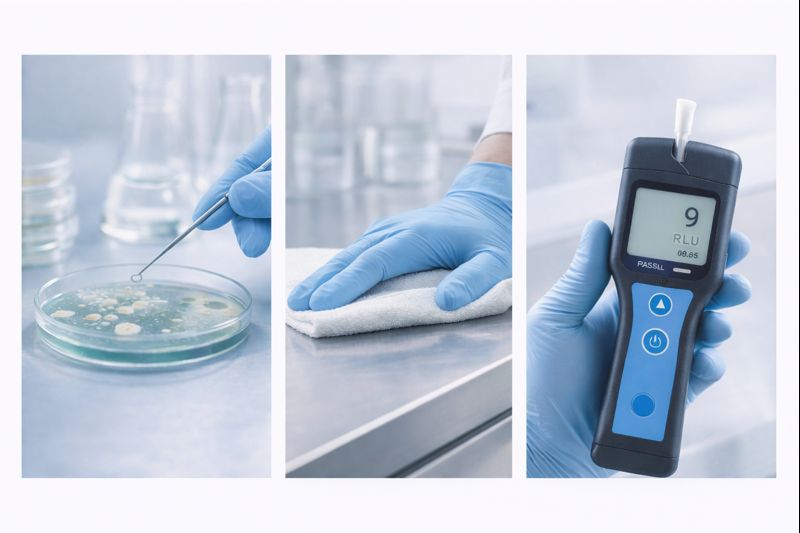
Outcome Monitoring Includes:
• Repeated surface evaluation
• Material response tracking
• Adjusted protocol refinement
• Risk mitigation reporting
Why This Changes How Properties Are Maintained
Most properties rely on memory, staff habits, or inconsistent documentation.
The Veppa Portal replaces that with structured intelligence—so care remains consistent, informed, and independent of personnel changes.
When environments matter
— not only in appearance but in behavior, materials, and long-term condition —
Structured thinking makes the difference.
Reach out for thoughtful, expert cleaning care
Technical paper- Material Compatibility & Surface Stability in Repeated Service Environments